A manual can opener is the least glamorous thing in an emergency kit and one of the most quietly essential. Most UK households now open tins with an electric opener or barely think about it at all — until the power goes out and the cupboard fills up with tinned beans, soup, tuna, fruit, hot dogs and veg that suddenly can't be opened. A store of tinned food is only food if you can get into it, and in a power cut the humble hand-cranked opener is the tool that turns a shelf of metal cylinders back into dinner. It costs a few pounds, weighs almost nothing, and never needs charging. This guide covers what actually matters when you buy one.
The good news: this is a cheap, simple buy, and the main mistake is not owning a decent manual opener at all — or owning a flimsy one that gives up on the third tin. It belongs in the kitchen drawer, the grab bag, the car and the camping box. If you're building a no-cook power-cut food box, a manual opener is the first thing that goes in it.
Manual vs electric — buy manual for prep
Electric can openers are convenient on a normal day, but for preparedness they're exactly the wrong tool: they need mains power, and the whole point of an emergency opener is to work when the mains are down. Battery-powered openers exist, but they add another set of batteries to keep charged and another motor to fail — more to go wrong for no real benefit. A manual opener has no power source, no motor and almost nothing to break, so it works in a power cut, on a camping trip, or off-grid without a second thought. Keep the electric one for everyday if you like it, but make sure there's a good manual opener in the kit as your backup — and test it, because plenty of people discover their only manual opener is a rusted, blunt relic exactly when they need it.
The opener types — and which to buy
Hand can openers come in a few designs, and it's worth knowing the difference. The modern side-cut or "safety" opener grips the rim from the side and cuts the lid off just below the seam, leaving a smooth, non-sharp edge on both the lid and the tin — this is the safest and most comfortable type for most people, and it's what the catalogue's Lantana Manual Safety Can Opener is. The traditional butterfly or rotary opener pierces the top of the lid and you wind it round with a small key or wing knob; it works fine and is cheap and compact, but it leaves a sharp lid and needs a bit more grip and technique. Both are perfectly good kit — the safety type is friendlier for anyone with weaker hands or who'll be opening tins by torchlight.
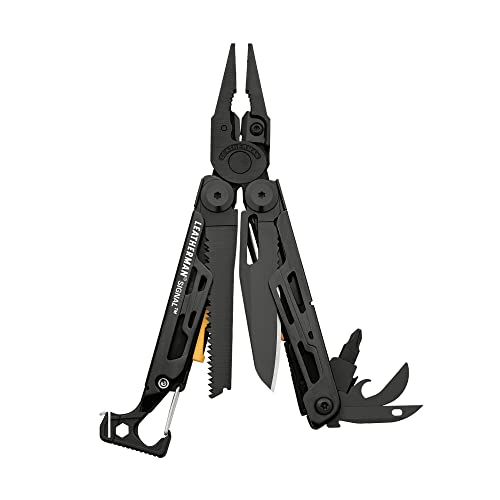
There's also the tiny military-style P-38 and slightly larger P-51 openers — thumbnail-sized folding blades that hook over the rim and lever round the lid one bite at a time. They're astonishingly compact, cost pennies, and are a brilliant just-in-case backup to clip to a grab bag or keyring — but they're slow, fiddly and hard on the fingers for a full meal's worth of tins, so treat them as an emergency spare rather than your main opener. Finally, remember your multi-tool very likely has a can opener blade built in; it's a genuine backup, though a dedicated opener is far quicker and kinder to your hands.
Build quality — where the cheap ones fail
A can opener has one job, but a bad one does it badly: the cutting wheel goes blunt, the gears strip, the handle flexes, or the grip is so hard to turn that opening a tin becomes a two-handed wrestle. A few things separate a keeper from landfill. Look for a hardened stainless-steel cutting wheel (it stays sharp and won't rust in a damp kit), sturdy metal gears rather than plastic, and a chunky turning knob you can grip with cold or wet hands. Comfortable, non-slip handles matter more than they sound — in a real emergency you may be opening several tins in a row, possibly for other people, and a thin metal handle bites into your palm fast. Spend a little more than the absolute cheapest; a solid manual opener lasts decades.
Left-handed, arthritis and grip strength
Standard openers are built for right-handed use, and turning the knob with your left hand can be awkward — if that's you, look for a left-handed or genuinely ambidextrous model. Grip strength matters too: for anyone with arthritis, weak hands, or who simply struggles with stiff mechanisms, seek out an opener with a large, easy-turn knob and a long handle for leverage, or one of the "comfort grip" designs made for exactly this. This is worth thinking about when you're kitting out an older relative's home — a beautifully stocked food cupboard is no use if the only person there can't work the opener.
Rust, storage and testing
A can opener that lives in a kit spends most of its life ignored in a drawer or a damp bag, and cheap ones rust — a rusty cutting wheel is both hard to turn and a hygiene problem near food. Stainless steel resists it best; whatever you buy, keep it dry, wipe it after use, and if it's stored in a grab bag or car alongside water and food, check it every so often. Most importantly, actually open a tin with it when you buy it and again occasionally — the worst time to learn your emergency opener is blunt, stiff or the wrong type for you is by torchlight during an outage.
How many, and where to keep them
Because they're cheap and tiny, keep more than one. A good safety opener lives in the kitchen drawer as your everyday-and-emergency workhorse. Put a second one in the grab bag or with the emergency food, a third in the car or camping box next to the stove and mess tin, and clip a P-38 to a keyring as a last-ditch backup. Redundancy costs almost nothing here, and a spare opener is the difference between eating and staring at a tin. For the wider picture of eating well when the power's out, see our guides to a no-cook power-cut food box, cooking without power and power-cut food safety.
The short version
Buy a decent manual opener — not electric, not the flimsiest one on the shelf. A side-cut "safety" type with a hardened stainless wheel, metal gears and a chunky, grippy knob suits most people and leaves no sharp edges; a traditional butterfly opener is a fine cheaper alternative, and a tiny P-38 makes a great keyring backup. If hands are weak or left-handed, choose accordingly. Keep one in the kitchen, one in the grab bag, one in the car, test it now and then, and keep it dry. See our can opener pick for a buyable, availability-checked option, and build the rest of your emergency food store around it.