When a storm has been through, the first jobs are almost always hands-on: dragging a fallen branch off the drive, boarding a broken window, bagging up sodden carpet after a flood, or clearing glass and splintered fence panels out of the way before anyone treads on them. Bare hands last about five minutes at that before you pick up a cut, a splinter or a soaking, and a hand injury is exactly what you don't want when there may be no quick trip to A&E. A decent pair of work gloves is a few pounds of insurance against exactly that. The catch is that "work gloves" spans four quite different things, and the pair that's perfect for shifting branches is useless for a first-aid job — this guide covers the types, which one to reach for, and how to size and stock them.
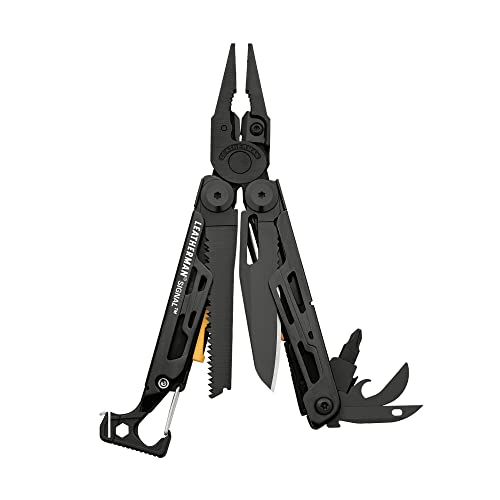
Gloves are one link in the clear-up kit. Pair them with a folding saw or multi-tool for cutting, a respirator mask if you're dealing with dust, mould or damp debris, and a first aid kit for the cut that gets through anyway. For the wider clean-up picture, read our flood readiness guide and storm preparedness.
The four types — and which job each is for
Coated grip gloves — a thin knitted liner dipped in polyurethane or nitrile on the palm, like the Blackrock PU-grip pack — are the everyday workhorse. They keep real dexterity for fiddly jobs (handling kit, moving debris, tightening fixings) and grip well even when things are a bit wet, but they're thin: they resist scuffs, not saw teeth or serious cuts. Buy them in a multi-pack and treat them as semi-disposable — the pair you don't mind ruining.
Leather gloves — rigger and full-grain types such as the POWCOG leather riggers and WZQH full-grain gloves — are the pair for rough graft: shifting broken branches, handling splintered timber and fence panels, sawing, and anything with a sharp or abrasive edge. Leather resists abrasion, punctures and heat far better than fabric gardening gloves, at the cost of some fine-finger dexterity and, when it's really wet, a tendency to soak through eventually. This is the default for post-storm clear-up outdoors.
Thermal, waterproof gloves — the SHOWA 282-02 Temres is the standout — are the ones you reach for when it's cold and wet at the same time: gritting the path, clearing storm debris in freezing rain, or any long outdoor job where ordinary gloves soak through and your hands go numb. A breathable waterproof coating keeps hands warm and dry, which is a genuine step up once the weather turns and the reason to own a pair beyond your everyday leather ones.
Disposable nitrile gloves are a different tool entirely — a thin, single-use barrier for first aid, cleaning up after flooding, and handling fuel, chemicals or anything you don't want on your skin. They're not cut-resistant and tear on anything sharp, so they protect against contamination, not injury. A box of 100 lives in the first aid kit and the clean-up box; wear them under leather gloves if you want both a hygiene barrier and cut protection.
Match the glove to the job
Be honest about what you'll actually do. For light, fiddly work and general handling, coated grip gloves give the best feel and are cheap enough to trash. For the heavy, sharp, abrasive jobs that a storm creates — branches, glass, splintered wood, metal — reach for leather; it's the difference between a scratched glove and a cut hand. When it's cold and wet as well as rough, thermal waterproof gloves keep you working without your hands seizing up. And for medical jobs, flood clean-up and anything grim or contaminated, use disposable nitrile as a barrier, ideally with a work glove over the top for protection. Most households want two pairs to start: a leather pair for graft and a box of nitrile for hygiene, then a thermal-waterproof pair once winter outdoor work is on the cards.
Cut resistance, grip and warmth — what actually matters
You don't need to memorise the standards, but it helps to know they exist: EN 388 rates gloves for abrasion, cut, tear and puncture, so a higher cut rating means more protection from blades and glass, while EN 511 covers cold. In practice, judge a glove on three things. Cut and puncture resistance — leather and higher-rated coated gloves protect against the sharp edges that clear-up work is full of; thin liners and nitrile do not. Grip when wet — a coated or textured palm holds a wet branch or tool far better than smooth leather or bare nitrile, which is why many people keep both. And warmth versus dexterity — the warmest, most waterproof gloves are the least nimble, so keep a thinner pair for jobs that need finger feel and save the bulky thermal pair for the cold, wet, heavy work.
Sizing, fit and how many to keep
Gloves that don't fit are worse than none: too big and they slip, snag and rob you of grip and feel; too tight and your hands tire and cramp within minutes. Most brands run S–XL against a hand-circumference measurement — measure around the widest part of your palm (excluding the thumb) and check it against the maker's chart rather than guessing. Leave a little room in thermal gloves for the air gap that keeps hands warm. Because clear-up gloves get wet, filthy and occasionally cut through, buy in packs and keep spares where you'll need them: a pair in the grab bag, a pair in the car boot alongside a folding shovel and de-icer, and a box of nitrile in the first-aid box and under the sink. Dry leather gloves slowly away from direct heat so they don't go stiff and crack.
Where gloves earn their place in a UK kit
Gloves are the quiet, cheap item that saves the day the storm actually hits — you rarely think about them until you're staring at a branch across the drive or a smashed window with rain coming in. Get them in before the weather turns, not after: read what to buy before a winter storm and the 24-hour storm-warning checklist for the wider seasonal kit. Keep a thermal-waterproof pair with the winter driving kit for roadside jobs and gritting, and a leather-plus-nitrile combination in the home clean-up box for the messy aftermath of a flood. For a few pounds, gloves are among the highest-value items in the whole kit.
The short version
Buy for the job, not the label. Coated grip gloves for light, fiddly, everyday work; leather riggers or full-grain leather for the rough, sharp, abrasive storm clear-up; thermal-waterproof gloves like the SHOWA Temres for cold, wet outdoor graft; and a box of disposable nitrile for first aid, flood clean-up and contamination. Size to your hand, buy spares in packs, and keep a pair in the car, the grab bag and the clean-up box. See our work glove picks for buyable, availability-checked options.