- 01 What actually causes winter water disruption
- 02 Store enough water for the first day
- 03 Reduce frozen-pipe risk before a cold snap
- 04 During a burst main or local outage
- 05 Bottled water, bowsers and Priority Services
- 06 Boil-water notices and when treatment kit helps
- 07 What to keep in a winter water kit
- 08 What to do this week
Winter water problems in the UK are usually mundane until they land on your doorstep: a frozen outside pipe, a burst main, a pressure drop after a cold snap, or a boil-water notice following repair work. None of these needs dramatic kit, but they do need a household plan. A few clean containers, some stored drinking water, basic hygiene supplies and an understanding of what your water company will do can turn an awkward day into a manageable one.
What actually causes winter water disruption
Cold weather stresses the network and your own plumbing at the same time. Pipes expand and contract, ground movement can expose weak points, and older mains are more likely to fail after repeated freezing and thawing. At home, uninsulated pipes in lofts, garages, outbuildings and under sinks are the common weak spots. A burst main may leave the whole street without water; a frozen internal pipe may affect only your property; and repair work can sometimes trigger discoloured water or a temporary boil-water notice afterwards.
Store enough water for the first day
The simplest buffer is stored drinking water. Aim for at least three litres per person per day for drinking and basic food preparation, more if anyone is pregnant, unwell, formula-feeding a baby, or taking medicines that need extra fluids. For a family of four, two full ten-litre water carriers plus a few bottles of supermarket water gives a sensible first-day margin without taking over the house. Store containers somewhere cool and dark, away from chemicals, and label filled tap-water containers with the date.
Use food-grade containers rather than old chemical bottles or mystery tubs. A rigid water carrier with a tap is easiest for kitchen use, while collapsible bottles or jerry cans are useful if you need to collect water from a distribution point. Rotate stored tap water every six months. Sealed shop-bought bottled water can usually sit longer, but still check dates and keep it out of heat and sunlight.
Reduce frozen-pipe risk before a cold snap
Before freezing weather arrives, find your internal stop tap and make sure everyone who might need it knows where it is. Insulate exposed pipes in lofts, garages and outside walls with foam lagging, and protect outdoor taps. If you are going away, leave heating on low enough to stop the house falling to freezing temperatures and ask someone to check the property during a severe cold spell. Open cupboard doors under sinks on very cold nights so warmer room air can reach the pipework.
If a pipe does freeze, do not attack it with a blowtorch or anything fierce. Turn off the water at the stop tap if you suspect a split, open the nearest cold tap to relieve pressure, and thaw gently with warm towels or a hot-water bottle. If water starts leaking, keep the stop tap off and call a plumber. A few minutes spent learning the stop tap now is worth far more than a cupboard full of gadgets during a burst.
During a burst main or local outage
First check whether neighbours are affected. If they are, look at your water company's incident page and social channels, then report it if the fault is not listed. Most companies publish updates, estimated repair times and bottled-water collection points. Use stored water for drinking first, then cooking, then washing. Keep one container clean for drinking water only, and do not dip dirty cups or hands into it. If water is limited, alcohol gel, wet wipes and a bowl of warm water for essential washing are enough to keep hygiene under control for a short interruption.
Bottled water, bowsers and Priority Services
If a supply interruption lasts, your water company should arrange alternative water, usually bottled-water stations or bowsers. Take clean containers if a bowser is provided, and avoid using containers that have held fuel, chemicals or garden products. Households with medical needs, limited mobility, young babies or other vulnerabilities should register for their water company's Priority Services scheme. It is free, and can mean bottled water is delivered rather than collected during a serious incident.
Boil-water notices and when treatment kit helps
A boil-water notice means your tap water may be microbiologically unsafe until the company says otherwise. Bring water to a rolling boil for one minute, let it cool naturally, then use it for drinking, brushing teeth, food preparation and washing salad or fruit. If you cannot boil water because the power is off too, purification tablets or a suitable water filter are useful backups, but follow the instructions carefully. Treatment kit is a backup for questionable water, not permission to drink from a water butt, floodwater or a dirty stream in town.
What to keep in a winter water kit
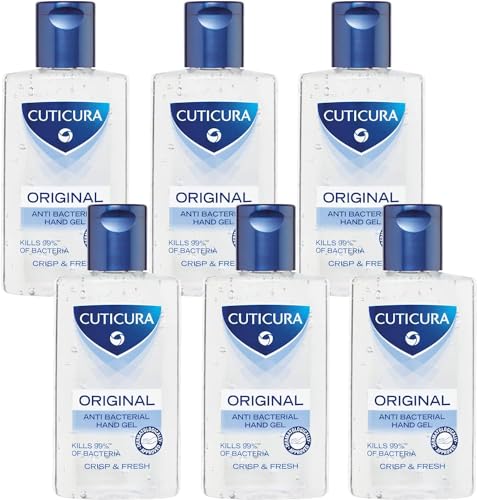
A good household setup is modest: two or three food-grade water carriers, a few sealed bottles, water purification tablets, a reliable filter for emergency use, hand sanitiser, wet wipes, and a torch so you can find the stop tap in the dark. Add a bucket or washing-up bowl for grey water, and keep a printed note of your water company's emergency number because broadband may be down during storm damage. If you already have a power-cut box, keep the water items beside it rather than creating a separate system nobody remembers.
What to do this week
Find and test your stop tap, insulate any obvious exposed pipes, and fill at least one clean water carrier. Add a second carrier if you have space, put a strip of purification tablets in your home emergency kit, and save your water company's incident page on your phone. These are small jobs, but they cover the realistic winter scenarios: a frozen pipe, a burst main, a short outage, or a boil-water notice after repairs.