- 01 Before winter: a five-minute head start
- 02 A small kit, ready to grab
- 03 Keeping a baby or child warm — safely
- 04 The heating question: what is safe indoors
- 05 Feeding without power
- 06 Formula: the flask method
- 07 Weaning-age and older children
- 08 Light, reassurance and routine
- 09 If the water goes too
- 10 Who to call and when to act
A winter power cut is stressful at the best of times. With a baby or young children in the house, the worry is sharper: how do you keep them warm, keep milk coming, and stay calm while the lights are out? The good news is that a short outage is very manageable with a little forward planning, and most of what you need you probably already own. This guide focuses on the UK reality — cold, damp winters, storm-driven outages, and the specific needs of babies, toddlers and pre-schoolers.
The aim here is calm and practical, not alarmist. Keep everything safety-first: with small children the biggest real risks in a power cut are not the dark itself but the shortcuts people take to stay warm and fed — unsafe indoor heating, carbon monoxide, and overheating a baby. Plan around those and the rest is straightforward.
Before winter: a five-minute head start
The single most useful thing you can do is sign up to the free Priority Services Register. It is run by your energy network and supplier, and households with babies, young children, or anyone medically vulnerable qualify. Being on the register means you get advance warning of planned work, priority updates during a fault, and in a longer outage you can be offered practical help. Registering takes a few minutes online or by phone and is worth doing today, not on the night.
Save the number 105 in your phone and write it somewhere visible. It is the free, UK-wide number that connects you to your local electricity network operator to report and check on a power cut — the same whoever supplies your bill. Keep a charged power bank in a known drawer so a dead phone never leaves you cut off.
A small kit, ready to grab
You do not need a bunker. A shoebox or drawer with a couple of torches or an LED lantern, a charged power bank and cable, spare batteries, a filled vacuum flask topped up on stormy evenings, and a few comfort items for the children covers the first few hours easily. Add a hat and an extra warm layer per child so warmth is a decision you have already made, not one you scramble for in the cold.
Keeping a baby or child warm — safely
Heat is lost from a house slowly, so a well-insulated home stays comfortable for hours after the heating stops. Buy time by closing internal doors and curtains and gathering everyone into one room — body heat and a single warm space beat trying to hold heat across the whole house. Layers trap warmth better than one thick item: vests, a jumper, a hat indoors for babies (a surprising amount of heat is lost from a small head), and warm socks.
For babies under one, follow normal safe-sleep guidance even when it is cold. Dress the baby in layers and use a correctly sized baby sleeping bag rather than loose blankets, duvets or pillows in the cot, and keep the baby sleeping on their back. If you are using extra layers, check the baby is not too hot: feel the chest or back of the neck (not hands and feet, which are normally cooler), and remove a layer if they feel sweaty or clammy. Overheating is a genuine risk, so warm gently and check often.
Older toddlers and children can safely use blankets, a warm sleeping bag or a wool blanket, and will happily treat a candlelit camp in the living room as an adventure. Hand warmers and hot water bottles are useful for adults and older children but should not be placed against a baby's skin or left in a cot — their skin burns easily and they cannot move away from heat. Skin-to-skin contact and simply holding a baby close is one of the most effective and safest ways to keep them warm.
The heating question: what is safe indoors
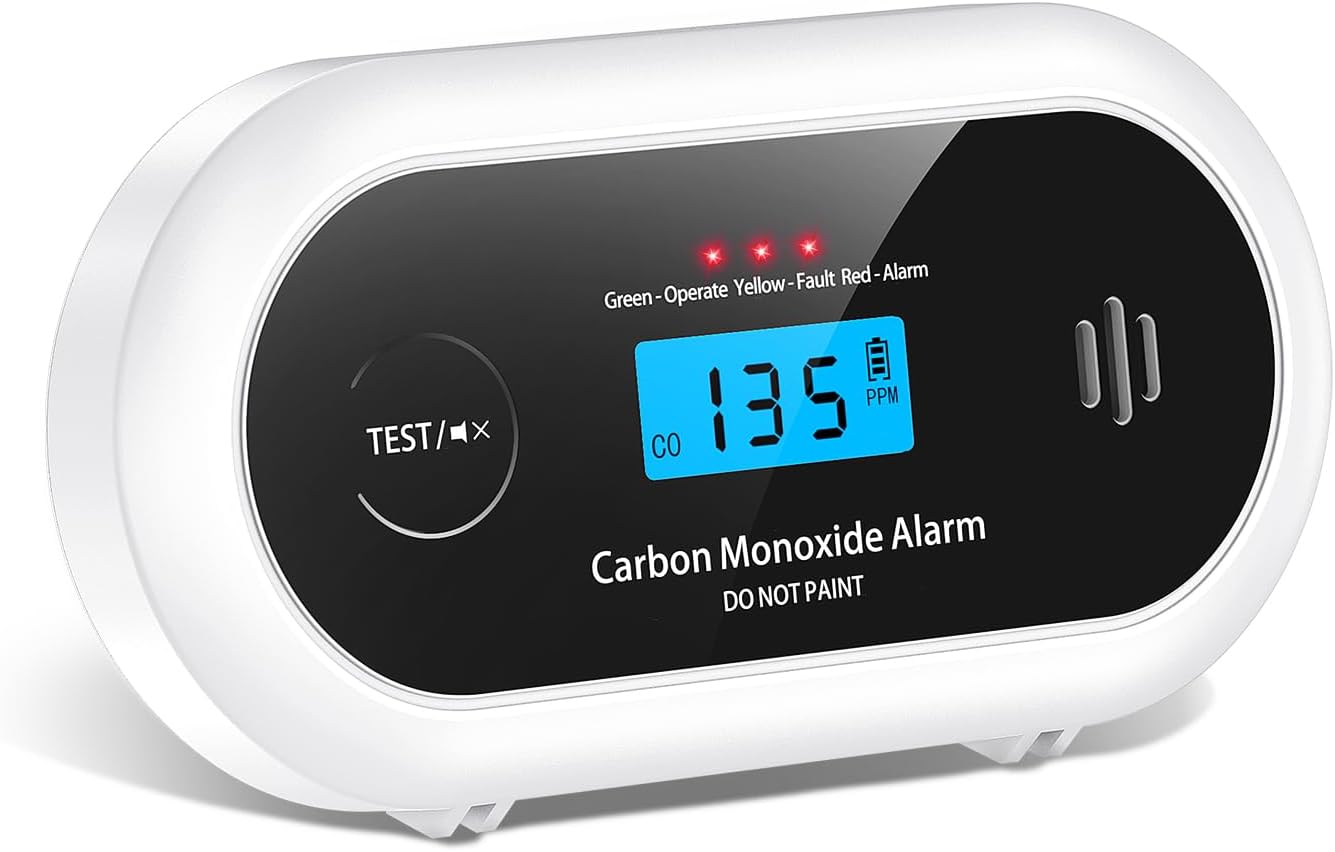
This is where most power-cut harm happens, so be strict. Never bring a petrol or diesel generator, a camping gas stove, a barbecue, or a patio heater indoors or into a garage or porch to warm a room. They produce carbon monoxide, which is invisible, odourless and can be fatal — and small children are especially vulnerable. A battery or USB-powered carbon monoxide alarm is cheap insurance and should be on your list regardless.
Safe warmth in a power cut is passive: layers, blankets, a warm room, closed doors, and food and warm drinks inside everyone. If your outage is likely to be long and the house is getting genuinely cold, it is safer to travel to family, a friend, or a warm space than to improvise risky heating with children in the house. Battery power stations can run small electric blankets or a low-wattage fan heater for a short time, but check the wattage carefully and never leave heaters unattended near children or bedding.
Feeding without power
If you breastfeed, a power cut changes nothing — carry on as normal, which is one of the quiet advantages during an outage. If you use formula, the challenge is hot water for making up feeds, because the NHS advice is to make formula fresh with water that has boiled and cooled to no less than 70C to kill bacteria in the powder.
Formula: the flask method
The simplest fallback is a good vacuum flask. When a storm warning is issued or the lights flicker, boil the kettle and fill a quality flask — a well-made one holds water hot enough to make up feeds for several hours. Make each feed as you normally would, cooling the bottle under a cold tap before feeding and always testing the temperature on your wrist. Do not keep made-up bottles warm for long periods, as that encourages bacteria; make each feed when it is needed.
For genuine peace of mind, keep a few cartons of ready-to-feed liquid formula in the cupboard. They are sterile, need no water and no heating, and can be given at room temperature — ideal for a cold night with no power. They are more expensive than powder, so treat them as an emergency backup rather than everyday feeding. If you can heat water safely outdoors on a camping stove, stand the bottle in warm water to take the chill off; never heat a bottle or expressed milk in makeshift ways that create hotspots.
Weaning-age and older children
Children on solid food are easy to feed cold: keep a small store of no-cook favourites they will actually eat — oatcakes, fruit, yoghurts eaten promptly, bread, cheese, breadsticks, and a few treats to smooth over a stressful evening. A warm drink from the flask helps morale as much as calories. Keep the fridge and freezer doors shut to protect milk and food; a full freezer stays safely cold for around 24 hours if left closed.
Light, reassurance and routine
Small children take their cues from you, so a bit of calm theatre goes a long way. An LED lantern on the floor gives soft, steady room light that is far less frightening than shadows from a single torch, and it frees your hands for a baby. A head torch is invaluable for night feeds and nappy changes because it points where you look and leaves both hands free. Avoid naked flames and candles anywhere near children, cots or trailing blankets — a lantern is safer and gives more usable light.
Keep a power bank for your phone so you can check updates on 105, message family, and keep a baby monitor or a favourite lullaby going. If bedtime routine is disrupted, keep the familiar anchors — the same story, the same song, the same cuddle — and children generally cope well. Framing it as camping indoors turns a scary night into a memorable one.
If the water goes too
Storms sometimes take out water alongside power, or a boil-water notice is issued. Keep a modest store of bottled water — a few litres per person plus extra for making up feeds and washing — and a clean water carrier you can fill before a forecast storm. For formula, use bottled or freshly boiled-and-cooled water as normal; if a boil notice is in force, still boil first even for made-up feeds. A stock of wet wipes and hand sanitiser keeps nappy changes and hands clean when hot water is off.
Who to call and when to act
Report and check the outage on 105. For any medical worry about a baby or child, use NHS 111 for advice or 999 in an emergency — do not delay because of the power cut. Trust your instincts: a young baby that is unusually cold, floppy, very difficult to wake, or refusing feeds needs medical advice promptly, and cold is a bigger risk to small babies than to adults. If your home is becoming genuinely cold and the outage looks prolonged, moving the children somewhere warm is the sensible call, not a failure of preparation.
None of this needs to be dramatic. A charged power bank, a filled flask, a couple of cartons of ready-to-feed formula, warm layers, a lantern, and the numbers 105 and 111 saved in your phone will carry a family with young children comfortably through the vast majority of UK winter power cuts. Prepare once, quietly, and you can spend the outage reassuring your children rather than worrying.