- 01 Why keep a vacuum flask in a winter kit?
- 02 Drinks flask or food flask?
- 03 What to look for when buying
- 04 Capacity
- 05 Stainless steel vs glass liner
- 06 Heat retention — reading the claims honestly
- 07 The lid, the pour and the seal
- 08 Build and brand
- 09 Looking after a vacuum flask
- 10 How a flask fits your winter plan
- 11 Frequently asked questions
- 12 How long does a vacuum flask keep water hot?
- 13 Is a vacuum flask useful in a power cut?
- 14 Should I buy a drinks flask or a food flask?
- 15 Stainless steel or glass-lined — which is better?
- 16 Can you put a hot flask in a car emergency kit?
- 17 The short version
A good vacuum flask is one of the quietly useful bits of a UK winter kit: fill it with boiling water in the morning and you've a hot drink, a hot-water-bottle refill or the makings of a pot noodle for the rest of the day, with no power needed. That matters most in a winter power cut, when the kettle is dead and a hot drink is both a comfort and a genuine way to warm someone from the inside out. It's equally at home on a cold winter walk or in a car kit. This guide covers the difference between a drinks flask and a food flask, what capacity to buy, how to read the heat-retention claims honestly, and how to look after one so it lasts for years.
Why keep a vacuum flask in a winter kit?
A flask is stored heat. Boil water once — on the mains while you still have it, or on a camping stove if the power's already out — and a decent flask keeps it near-boiling for the best part of a day. In a power cut that turns one boil into several hot drinks, a warm feed, or hot water to fill a hot water bottle hours later. It needs no electricity, no gas and no maintenance beyond a rinse, which makes it one of the most reliable things in a kit. For older relatives, a filled flask left within reach means a hot drink without lighting a stove. On the move — a cold platform, a broken-down car, a walk in the hills — it's simply the easiest way to carry warmth with you.
Drinks flask or food flask?
There are two shapes and it's worth being clear which you want. A narrow-necked drinks flask (or bottle) is built to hold liquid — tea, coffee, soup, hot squash — and pours through a stopper. A wide-mouthed food flask, sometimes called a food jar, has a broad opening so you can spoon a stew, porridge or pasta straight in and eat out of it. For pure hot-drink duty, a drinks flask is the classic; for a hot meal with the power out, a food jar earns its place. Many households keep one of each — a 1.2-litre drinks flask for the day's tea and hot water, and a smaller food jar for a warm meal — which between them cover most of what a winter kit needs.
What to look for when buying
Capacity
For a single person out for the day, around 0.5 to 0.75 litres is plenty. For a couple, or for one person who wants hot water in reserve as well as a drink, a 1 to 1.2 litre flask is the sweet spot — big enough to be useful, still light enough to carry. In a home power-cut kit, a larger flask (1.2 litres or more) filled from a single boil stretches the furthest. Food jars are usually smaller, around 0.5 to 0.7 litres, which is about right for one hot meal. Bear in mind a flask keeps heat best when it's full: a large flask half-filled loses heat faster than a small one filled to the top, so match the size to how much you'll actually put in.
Stainless steel vs glass liner
Older flasks used a glass vacuum liner, which insulates superbly but shatters if you drop the flask — not what you want in a kit that lives in a rucksack or a car boot. Modern flasks use a double-walled stainless steel vacuum, which is nearly as good at holding heat and far tougher. For any emergency or outdoor use, buy stainless: it survives being knocked about, and there's no glass to break when it matters. Reserve glass-lined flasks for gentle use at home if you have one already.
Heat retention — reading the claims honestly
Manufacturers quote figures like "hot for 24 hours", and a good stainless flask genuinely will keep water hot enough to make a drink for most of a day. But the numbers assume you fill it right to the top with boiling water, seal it immediately, and don't keep opening it. In the real world, every time you unscrew the lid you let heat out, and a part-filled flask cools faster. A realistic expectation for a quality flask: still comfortably hot after 6–8 hours, warm and usable well beyond that if you've kept it shut. Pre-warming the flask with a splash of boiling water before you fill it properly makes a real difference on a cold day.
The lid, the pour and the seal
The lid is where cheap flasks let you down. Look for a stopper that seals firmly without needing brute force, ideally one you can open one-handed if you'll use it on the move, and a cup lid that's actually pleasant to drink from. A pour-through stopper (you loosen it a turn and pour without fully removing it) keeps more heat in than one you unscrew completely. Check the flask is genuinely leak-proof if it'll travel in a bag with other kit — a flask that seeps tea over your spare socks is worse than useless.
Build and brand
This is a buy-once item, so a recognised brand with a track record is money well spent — a flask that keeps heat for years beats a cheap one that's lukewarm by lunchtime within a season. Look for solid stainless construction, a stopper that's easy to dismantle for cleaning, and a body that resists dents. A wide base that won't tip on uneven ground is a small but real bonus in the field.
Looking after a vacuum flask
A flask needs almost no maintenance, but two habits keep it working. First, don't put it in the dishwasher unless the maker says you can — the heat and detergent can dull the seal and the finish; hand-wash the body and stopper in warm soapy water and rinse well. Second, store it clean, dry and with the lid off or loose so it can air, which stops it going musty inside. For a stubborn tea or coffee film, a spoon of bicarbonate of soda in hot water left to stand does the job. Never freeze a full flask or use it for fizzy drinks — pressure can build up. Treated sensibly, a good stainless flask lasts a decade or more.
How a flask fits your winter plan
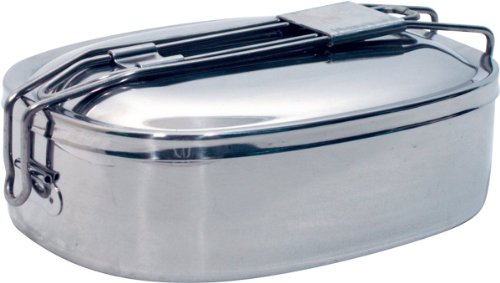
A vacuum flask is a force-multiplier for the rest of your warmth and cooking kit. The classic move in a power cut is to boil a big batch of water while you still can — or in one go on a stove — and decant it into flasks, so you've hot water on tap for drinks, hot water bottles and a warm feed for hours without relighting anything. It pairs naturally with a camping stove and gas canister for cooking without power, with a mess tin for simple hot food, and with pocket hand warmers for warmth on the move. On a cold winter walk or in a car kit, it's the simplest way to carry a hot drink for morale and mild warming. Keep one filled and ready when a storm's forecast and it quietly does a lot of work.
Frequently asked questions
How long does a vacuum flask keep water hot?
A good stainless steel flask, filled to the top with boiling water and sealed straight away, will typically keep water comfortably hot for 6–8 hours and warm enough for a drink well beyond that. The advertised "24 hours" figures are best-case: they assume a full flask and that you don't keep opening it. Pre-warming the flask before you fill it, filling it right up, and keeping the lid shut all extend how long it stays hot.
Is a vacuum flask useful in a power cut?
Very. It lets you turn one boil into hot water and drinks for the rest of the day with no electricity. Boil water on the mains before an outage if you can, or on a camping stove during one, then store it in flasks for hot drinks, hot-water-bottle refills and a warm feed hours later. That makes a flask one of the most efficient bits of a winter power-cut kit.
Should I buy a drinks flask or a food flask?
A narrow drinks flask is best for tea, coffee, soup and hot water; a wide-mouthed food jar lets you eat a stew, porridge or pasta straight from it with a spoon. If you mainly want hot drinks and hot water in reserve, buy a drinks flask; if you want a hot meal with the power out, add a food jar. Many people keep one of each — see the options on the vacuum flask page.
Stainless steel or glass-lined — which is better?
Stainless steel, for any kit or outdoor use. A glass vacuum liner insulates slightly better but shatters if dropped, which is exactly the wrong failure for something living in a rucksack or car boot. A double-walled stainless flask holds heat nearly as well and survives being knocked about, so it's the sensible choice for emergencies.
Can you put a hot flask in a car emergency kit?
Yes — a stainless flask is well suited to a car kit, since there's no glass to break. Keep it clean and empty when stored, and fill it before a winter journey or when a storm's forecast. A hot drink is a real morale and mild-warming boost if you're stuck, and the flask sits happily alongside the rest of a winter car kit.
The short version
A vacuum flask turns a single boil into hot water and drinks for a whole day with no power, which is exactly why it belongs in a UK winter kit. Buy stainless, not glass-lined; choose around 1 to 1.2 litres for a home or shared flask and 0.5 to 0.75 litres for a personal one; and pick a food jar too if you want hot meals with the power out. Fill it to the top with boiling water, pre-warm it on cold days, and keep the lid shut to get the full retention. Look after the seal, store it clean and dry, and one good flask will serve for years — pairing perfectly with a stove, a hot water bottle and the rest of your cold-weather kit.