Water ruins a kit faster than almost anything else. A soaked sleeping bag stops keeping you warm, a wet phone stops working, and damp documents and cash are miserable to sort out afterwards. A dry bag is the simple, cheap answer: a waterproof roll-top sack that keeps spare clothes, electronics, food and paperwork genuinely dry inside a rucksack, car boot or grab bag — the difference between a warm night and a wretched one. This guide explains the different types you'll see, what "waterproof" really means, what size to buy, and how to pack and close one so it works when the weather turns.
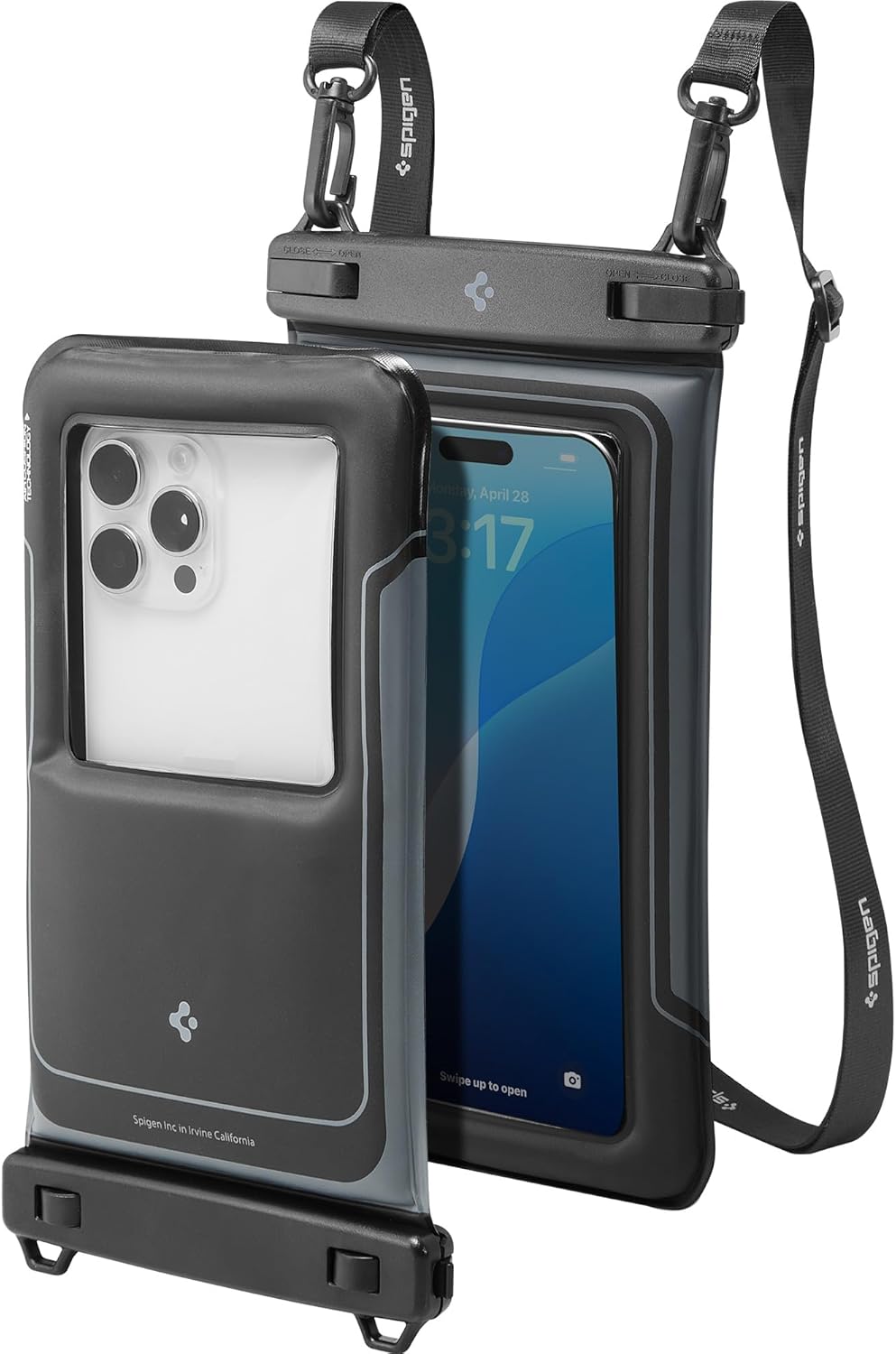
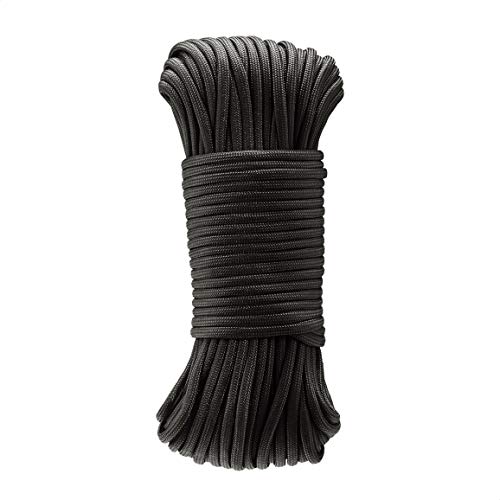
A dry bag earns its place in UK preparedness because so many of our emergencies are wet ones. Flooding, storm-driven rain, burst pipes and river crossings on a walk all threaten the kit you're relying on. Keep a dry bag alongside a tarpaulin and paracord for shelter, your first aid kit, and a small waterproof phone pouch for the one device you'll want to reach quickly. For the wider picture see our flood preparedness guide and storm preparedness.
Dry bag, dry sack or waterproof pouch?
The three things people conflate do different jobs. A roll-top dry bag — like the Unigear waterproof dry bag — is a tougher, often PVC-or-tarpaulin-fabric sack with welded seams, built to take a soaking, resist abrasion in a boot or boat, and shrug off brief submersion; it's the workhorse for the kit that must stay dry. A lightweight dry sack — such as the Osprey Ultralight Dry Sack or Lifeventure Ultralight — uses thin siliconised or coated ripstop to keep rain and splashes out while packing down to almost nothing, ideal for organising and protecting clothes and a sleeping bag inside a pack where every gram counts. A waterproof phone pouch is a small, clear case for a single device you want to see and use through the window.
For most UK kits the sensible mix is one tougher roll-top dry bag for the core kit you cannot afford to get wet, one or two ultralight dry sacks to organise clothes and bedding inside a pack, and a phone pouch for quick access. They complement each other rather than competing — see how a dry bag and a phone pouch differ in our dry bag vs waterproof phone pouch comparison, and how a dry bag fits alongside a proper pack in grab bag vs dry bag.
What "waterproof" actually means
"Waterproof" on a dry bag is not a single guarantee, and it's worth being honest about it. A well-made roll-top dry bag with welded or fully taped seams, closed properly, will keep contents dry through heavy rain, spray and a brief accidental dunking — but a roll-top closure is not a submarine hatch. Held underwater for long, or dropped in deep with a poorly rolled top, most will eventually let water in around the closure. Lightweight dry sacks are more about keeping rain and splashes out and organising a pack than surviving submersion. If you genuinely need kit to survive being fully underwater — river crossings with a real risk of the bag going under, or paddling — choose a heavier welded-seam bag, roll the top the full number of turns, and consider double-bagging the most critical items.
The two things that decide whether a bag actually stays dry are the seams and the closure. Welded (heat-bonded) or fully taped seams are far more reliable than stitched-and-coated ones, which can weep through the needle holes under pressure. And the roll-top only works if you leave enough empty bag at the neck to fold it over at least three or four times and clip the buckle back on itself — an over-stuffed bag you can only roll once will leak. Store documents, spare batteries and electronics in the middle of the bag, away from the closure.
What size to buy
Dry bags are sold by litre volume, and the right size depends on the job. As a rough UK guide: 2–5 litres suits a phone, documents, wallet, keys and a power bank; 8–13 litres holds a spare set of clothes, hat and gloves, or a compact first-aid kit; 20 litres and up takes a sleeping bag, a bulky insulating layer, or the contents of a small grab bag. Many ranges — like the Unigear — come in several sizes, and colour-coding by size (as the Osprey sacks do) makes it easy to find the right one in the dark or in a hurry. It's usually better to run two or three smaller bags than one big one: you keep categories separate, you can grab just what you need, and a single failure doesn't soak everything.
Don't over-buy on size in the name of "future-proofing". A part-empty giant dry bag is awkward to roll down to a good seal and wastes space in a pack. Match the bag to the kit it protects, leave room to roll the top properly, and if in doubt size down and add a second bag. A couple of ultralight sacks weigh next to nothing, so spreading kit across sizes costs you almost nothing.
What to look for when buying
Seams: welded or fully taped beats stitched — it's the single biggest factor in whether the bag stays dry. Fabric: heavier PVC or coated tarpaulin fabric resists abrasion for a bag that lives in a car boot or on a boat; siliconised ripstop is featherweight and packs tiny for inside-the-pack organising, at the cost of toughness. Closure: a roll-top with a sturdy buckle is the standard and the most reliable; make sure the buckle and any D-ring feel solid. Size range and colour-coding help you build a sensible set. Brand: recognisable outdoor names — Osprey, Lifeventure and reputable specialists like Unigear — are worth the small premium over unbranded bags whose seams or buckles fail early. A useful extra some bags include, like the Unigear, is a bundled clear phone pouch.
Our dry bag picks list availability-checked options across the range: the featherweight Lifeventure Ultralight and Osprey Ultralight Dry Sack for packing down small inside a rucksack, and the tougher welded-seam Unigear — sold in several sizes with a phone pouch included — for the core kit that has to survive a real soaking.
Packing and looking after a dry bag
A dry bag only works if you close it properly, so build the habit before you need it. Push out excess air, or leave a little for buoyancy if there's any chance of the bag going in water, then fold the roll-top over at least three or four times and clip the buckle. Keep the most water-sensitive items — documents, electronics, spare batteries, dry socks — in the centre, away from the closure and any abrasion points. Rinse and dry the bag inside after it's been used in muddy or salty water, and store it loosely rolled and open so the fabric and any coating don't stick or degrade. Check the seams and buckle occasionally; a bag that lives in a boot can take knocks, and a split seam or cracked buckle means it's no longer trustworthy.
The short version
For UK preparedness, a dry bag is a cheap, high-value way to keep documents, electronics, clothes and food dry when a rucksack or boot can't. Pick a tougher welded-seam roll-top for the core kit that must survive a soaking, and one or two ultralight dry sacks for organising clothes and bedding inside a pack. Match the size (in litres) to the job rather than over-buying, favour welded or taped seams over stitched ones, roll the top three or four turns to seal it, and keep the critical items in the middle. See our dry bag picks, the dry bag vs waterproof phone pouch comparison and our flood preparedness guide for how it fits the wider kit.