A tarpaulin is the sheet: a large, waterproof panel — usually reinforced polyethylene with eyelets around the edge, or a lighter ripstop nylon tarp for hiking — that you rig overhead as a shelter, drape over a leaking roof, cover a woodpile or lay down as a groundsheet. It is the surface that actually keeps rain, wind and sun off you or your kit. A cheap builder's tarp costs a few pounds and is bombproof but heavy; a proper camping tarp costs more, packs small and is far lighter to carry. What a tarp cannot do on its own is stay up — it has no way to attach itself to trees, posts or pegs.
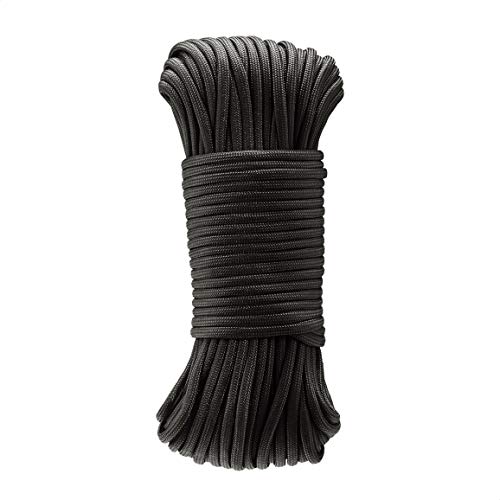
Paracord is the string that solves that: strong, thin, lightweight nylon cord — genuine 550 paracord holds around 250 kilograms and hides seven inner strands you can pull out for finer tasks. It is what you use to ridge-line a tarp between two trees, guy out the corners, lash a splint, replace a broken bootlace, hang food away from animals or rig a washing line. On its own paracord shelters nothing; it is pure utility cordage. Together, though, the two are a classic pairing: the tarp is the roof, the paracord is everything that holds the roof up and ties the rest of your kit together.