Home / Comparison
Side-by-side comparison

Paracord vs Duct Tape

Paracord vs Duct Tape

Paracord and duct tape are the two classic "fixes almost anything" items that end up in every serious kit, and the honest answer is that most people should carry both — they cover different failures. Paracord is thin, strong nylon rope, the genuine 550 (Type III) version rated to around 250kg, built from an outer sheath and seven inner strands you can pull out for fine cordage. Its job is anything that needs to be tied, tensioned, hung, lashed or pitched: a tarp shelter, a washing line, a broken zip pull, replacement laces, a splint lashing, or gutting the inner strands for fishing line and sewing thread.

Duct tape is the opposite skill set: it sticks, seals, patches and bundles. It closes a split, holds a dressing, waterproofs a torn jacket seam, tapes a hotspot before it becomes a blister, mends a leaking pipe well enough to get by, and bundles loose kit together. Where paracord flexes and ties, tape grips flat surfaces and fills gaps. Neither replaces the other — you cannot lash a ridgeline with tape or seal a rip with rope — which is why the field-repair section of a good kit almost always has both.

Feature comparison

FeatureParacordDuct Tape
Core jobTying, tensioning, lashing and hanging — anything that needs strong, flexible cordage.Sticking, sealing, patching and bundling — anything that needs to be held or covered.
Shelter and pitchingExcellent — ridgelines, guy lines and lashings for tarps and bivvies.Limited — can patch a torn tarp or groundsheet but cannot pitch one.
Repairs and patchingGood for anything you can tie or sew with the inner strands; poor at sealing surfaces.Its whole strength — patches rips, seals splits, waterproofs seams, mends temporarily.
First aid improvisationSplint and sling lashings, tourniquet windlass ties (with care) — not a dressing itself.Holds a dressing or splint in place, tapes over hotspots, closes small wounds temporarily.
ReusabilityFully reusable — untie and use again indefinitely; extremely long service life.Mostly single-use once stuck; loses tack over time and in cold or damp.
WeaknessesCannot seal, stick or waterproof; knots take a little practice to trust.Peels off cold, wet or greasy surfaces; not structural; adhesive degrades with age.
Kit roleThe cordage backbone — shelter, load-lashing and endless improvised ties.The instant-fix layer — patch, seal and bundle in seconds with no knots.

When to choose Paracord

Reach for paracord first when the problems you expect involve tying things together or holding tension — pitching a tarp, rigging a shelter, lashing kit to a pack, replacing a snapped strap or lace, or improvising a splint lashing. Genuine 550 Type III cord is the version worth carrying: the seven-strand core gives you fine thread and fishing line in a pinch, and the sheath handles real load. A few metres wrapped round a bottle or on a small reel weighs almost nothing and never spoils, so it earns its place in a bug-out bag, a car kit or a camping set. If your kit already has tape but no cordage, this is the gap to fill.

When to choose Duct Tape

Reach for duct tape when the problem is a hole, a split, a leak or something that needs holding flat and fast. A strong branded tape — the heavy-duty Gorilla or 3M type rather than a cheap roll that dries out — patches a torn tent, seals a cracked container, tapes a dressing over a wound, protects a hotspot before it blisters, and bundles awkward loose items into one carry. It works without any knot-tying skill, which matters when hands are cold or someone else has to improvise. Flatten a couple of metres round a pencil or an old card to save space. If your kit has rope but nothing that sticks, tape is the missing half.

Our verdict

This is a false choice for anyone serious about field repairs: paracord and duct tape are complements, not competitors, and each is cheap, light and near-indestructible in storage. Paracord handles everything you tie, tension or lash; duct tape handles everything you stick, seal or patch. If you genuinely must pick one to start with, let the likely job decide — choose paracord if shelter and rigging top your list, tape if quick patches and holding dressings do. But the right long-term answer is a few metres of 550 cord and a small flattened roll of quality tape sitting side by side in the repair pocket, because between them they cover an enormous share of the small emergencies that actually happen.

Top picks · Trusted suppliers

Recommended products

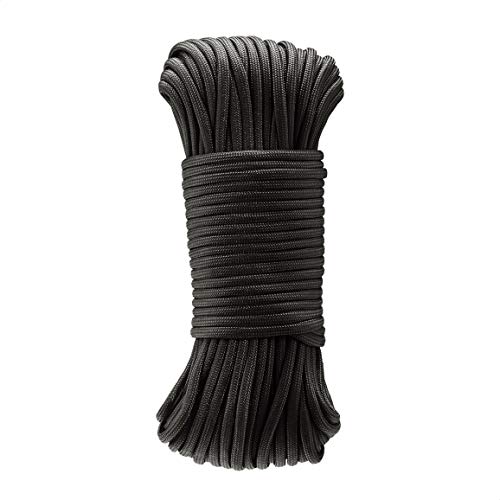
Amazon Basics 550 Paracord (30m)

Amazon Basics 550 Paracord (30m)

A 30-metre length of 7-strand 550 paracord for shelter building, gear repairs and countless improvised jobs. One of the highest-utility items you can pack for its weight.

  • Strong 7-strand core for demanding tasks
  • Inner strands can be separated for fine cordage
  • Endless uses from shelters to repairs
Check price on Amazon →
EdcX 550 Paracord 4mm Type III (7 Strand)

EdcX 550 Paracord 4mm Type III (7 Strand)

A genuine 4mm Type III paracord with seven inner strands, sold in 15, 30 and 50 metre lengths. The inner yarns pull out for fine repairs, fishing line or lashings, while the sheath handles the heavier work. A cheap, endlessly useful length of cord for any grab bag or shelter kit.

  • Type III construction with seven usable inner strands
  • Long lengths available for shelter building and repairs
  • Inner yarns strip out for sewing, snares or cordage
Check price on Amazon →
3M 1900 Duct Tape (50mm x 50m)

3M 1900 Duct Tape (50mm x 50m)

A 50-metre roll of 3M's general-purpose cloth duct tape for the repairs and improvised fixes that come up in any emergency. It tears by hand and sticks to most surfaces, so it earns its place taping tarps, sealing gaps or patching kit in the field. A trusted-brand roll is worth keeping in the grab bag and the car.

  • Long 50m roll from a name you already know
  • Tears cleanly by hand — no scissors needed
  • Sticks to plastic, fabric, wood and metal
Check price on Amazon →
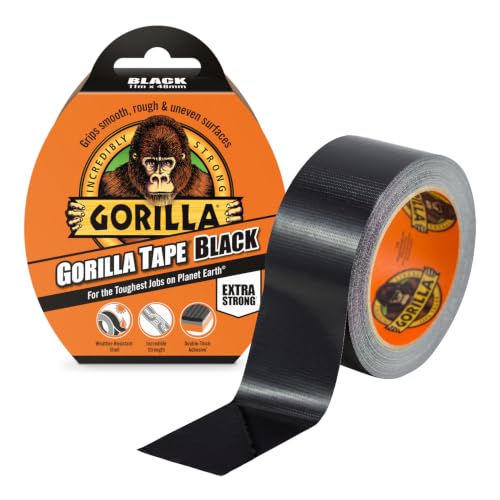
Gorilla Tape Black (11m)

Gorilla Tape Black (11m)

A heavy-duty cloth tape that sticks hard to rough, uneven and damp surfaces. The go-to for fast, strong field repairs when something absolutely has to hold.

  • Grips rough and uneven surfaces most tapes won't
  • Strong enough for real structural fixes
  • Weather-resistant hold
Check price on Amazon →