Home / Comparison
Side-by-side comparison

Multi-Tool vs Duct Tape

Multi-Tool vs Duct Tape

Ask anyone who keeps a field-repair kit what they would grab first and you tend to get one of two answers, and they reveal how differently these two work. A multi-tool is precision in your pocket: a folding cluster of pliers, blades, screwdrivers, scissors and a saw that lets you grip, cut, tighten, prise and fix with actual mechanical control. It is the tool you use to do a job properly — to undo a jammed screw, snip a wire, tighten a loose fitting or open a stubborn tin — and a good one shrugs off years of use.

Duct tape is the opposite philosophy: brute-force improvisation. A roll of strong, waterproof cloth-backed tape does not do anything precise, but it will hold, seal, bind, patch and bodge almost anything long enough to get you out of trouble — a cracked window, a leaking pipe, a split boot, a broken pole, even a rough dressing in a pinch. It weighs little, costs almost nothing and needs no skill to use. One tool lets you fix things correctly; the other lets you fix things fast. In a real kit you want both, because the jobs they are good at barely overlap.

Feature comparison

FeatureMulti-ToolDuct Tape
What it does bestPrecise mechanical work — cutting, gripping, screwing, prising, snipping.Fast improvised repairs — holding, sealing, patching, binding, bodging.
Skill neededA little; you need the right blade or driver for the job.None; tear a strip and stick it down.
Reusable or single-useReusable for years; one tool covers countless jobs.Consumable; the roll runs down as you use it.
Weight & bulkCompact but solid; a noticeable weight in a pocket or bag.Light; a roll (or a flattened length wound round a card) takes almost no space.
Typical emergency jobsTightening a fitting, cutting cord, opening tins, minor kit repairs, wire work.Sealing a broken window, patching a leak, splinting a pole, marking, securing loads.
LimitsCannot seal, bind large areas or hold two things together over time.Cannot cut cleanly, grip, turn a screw or do anything requiring leverage.
Rough costRoughly fifteen to sixty pounds for a decent one.A few pounds a roll.

When to choose Multi-Tool

Reach for a multi-tool when a job needs doing properly rather than just holding together. If you have to cut cord cleanly, grip and turn a stubborn fitting, drive a screw, strip a wire, snip a cable tie or open a tin, tape is useless and a multi-tool is exactly right. It is the backbone of any repair or everyday-carry kit precisely because it replaces a small toolbox in something the size of a chocolate bar. Buy a reputable brand — the cheap ones flex, seize and snap when you finally need the pliers — keep the blade and joints clean, and it will serve you for years across camping, car, home and grab-bag duties alike.

When to choose Duct Tape

Reach for duct tape when speed and hold matter more than finesse. When something is cracked, split, leaking or flapping and you just need it to stay put until you can sort it properly, nothing beats a roll of strong cloth tape: seal a broken window against the wind, patch a leaking container, splint a snapped tent pole, bind a load, reinforce a worn seam or improvise a hundred fixes no dedicated tool covers. It costs almost nothing, weighs almost nothing, and a flattened length wound round a pencil or an old card slips into any kit. Keep a proper cloth-backed roll rather than a thin office tape, and you have the ultimate get-you-home bodge.

Our verdict

This is a false choice — a multi-tool and a roll of duct tape are the two ends of field repair, and a serious kit carries both. The multi-tool is what you use to fix things the right way, with real cutting, gripping and turning power in your pocket; the duct tape is what you use to fix things the fast way, holding, sealing and patching whatever the multi-tool cannot. If you are forced to pick just one to carry, the multi-tool is the more capable single object because it actively does work rather than just sticking, but it leaves a huge class of jobs — sealing, binding, large patches — that only tape solves. The honest answer for a grab bag, car kit or home drawer is to keep the multi-tool for control and the tape for improvisation. They cost little together and cover an astonishing range of everyday emergencies between them.

Top picks · Trusted suppliers

Recommended products

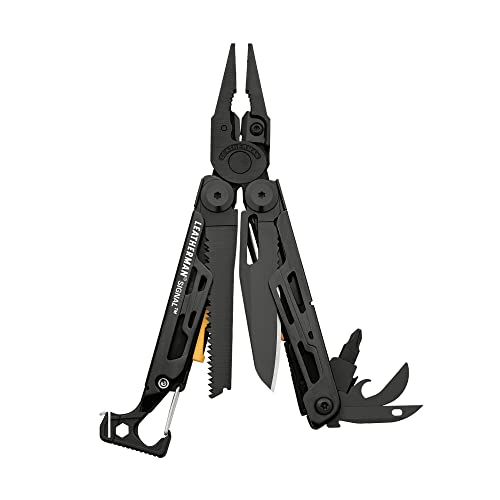
Leatherman Signal Multi-Tool

Leatherman Signal Multi-Tool

A survival-focused multi-tool that adds a ferro rod fire starter, emergency whistle and sharpener to the usual pliers and blades. Built for the outdoors, not just the toolbox.

  • Built-in fire starter and whistle
  • Full pliers, blade and saw set
  • Rugged, outdoors-first design
Check price on Amazon →
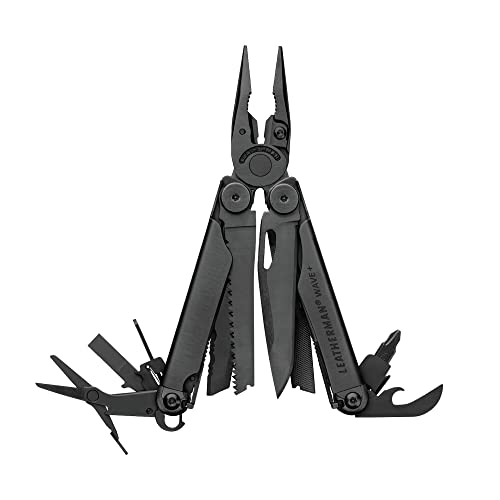
Leatherman Wave Plus Multi-Tool

Leatherman Wave Plus Multi-Tool

An 18-in-1 stainless steel multi-tool with pliers, blades, saw, screwdrivers and wire cutters. A durable do-everything tool that covers most improvised repairs in one pocket-sized package.

  • Replaces a whole handful of separate tools
  • Lockable blades and pliers for heavier tasks
  • Hard-wearing stainless steel construction
Check price on Amazon →
3M 1900 Duct Tape (50mm x 50m)

3M 1900 Duct Tape (50mm x 50m)

A 50-metre roll of 3M's general-purpose cloth duct tape for the repairs and improvised fixes that come up in any emergency. It tears by hand and sticks to most surfaces, so it earns its place taping tarps, sealing gaps or patching kit in the field. A trusted-brand roll is worth keeping in the grab bag and the car.

  • Long 50m roll from a name you already know
  • Tears cleanly by hand — no scissors needed
  • Sticks to plastic, fabric, wood and metal
Check price on Amazon →
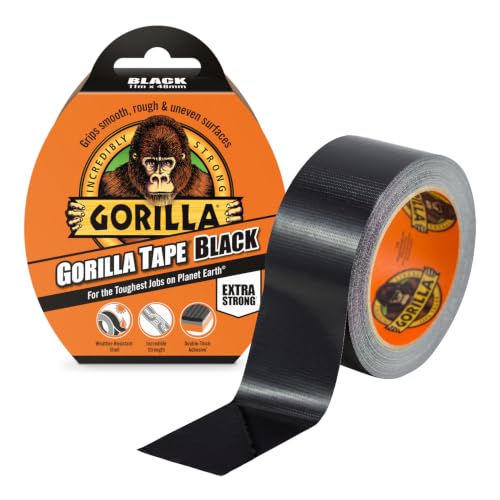
Gorilla Tape Black (11m)

Gorilla Tape Black (11m)

A heavy-duty cloth tape that sticks hard to rough, uneven and damp surfaces. The go-to for fast, strong field repairs when something absolutely has to hold.

  • Grips rough and uneven surfaces most tapes won't
  • Strong enough for real structural fixes
  • Weather-resistant hold
Check price on Amazon →