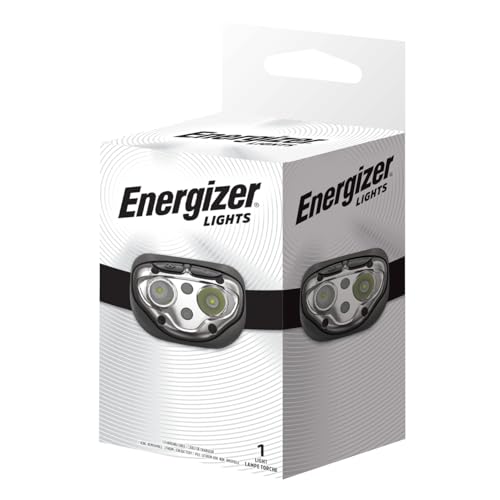
When the power goes out on a dark autumn evening, the two lights worth reaching for are a head torch and an LED lantern — and they are not really rivals so much as a pair that do different jobs. A head torch straps to your forehead and throws a bright, steady beam exactly where you look, leaving both hands free. That makes it the tool for doing things in the dark: finding the fuse box, carrying a child down the stairs, cooking, reading a meter, or dressing a wound. What it is poor at is lighting a whole room, because everyone looking at you gets dazzled and the beam only points one way.
An LED lantern does the opposite. It sits on a table and casts a soft, even glow in every direction, turning one corner of a cold house into a place the family can sit together, eat, play cards or keep a nervous child calm. It is the difference between working light and living light. Most prepared households want both: a head torch per person for moving about and getting jobs done, and a lantern or two for the room everyone gathers in. If you can only buy one first, the head torch is the more versatile — but a power cut is far more bearable with a lantern glowing on the table.