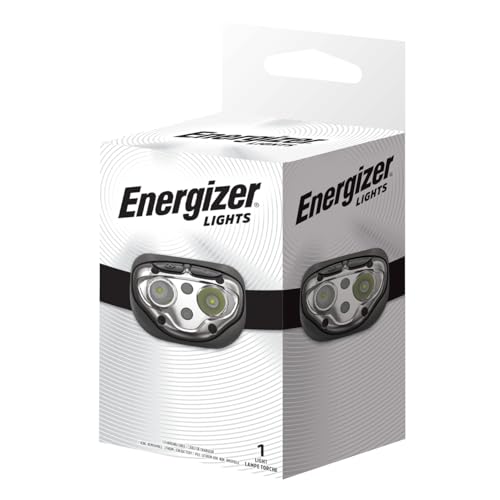
When the lights go out on a dark winter evening, these are two of the oldest and newest ways to get them back. A head torch straps an LED light to your forehead and points it wherever you look, leaving both hands free to find the fuse box, carry a child upstairs or read a first-aid leaflet. Modern head torches are bright, cheap and run for many hours on batteries or a USB charge, and because the beam follows your gaze they are far more useful for actually doing things in the dark than any handheld light.
Emergency candles are the low-tech backup: long-burning, shelf-stable and utterly dependent on nothing but a match. A good emergency candle can burn for many hours, throws a soft pool of light that makes a room feel less bleak, and never runs out of battery. But a candle is a naked flame — it can be knocked over, it is dangerous around children, pets and curtains, and it lights a spot rather than a task. The two answer different needs: the head torch is for doing, the candle is for waiting.