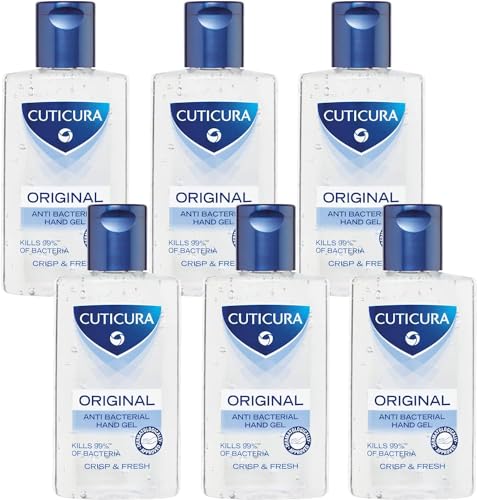
Hand sanitiser is a fast way to reduce the germs already on your hands when soap and running water are not available — which is exactly the situation in a power cut, a water outage, or after a flood when the mains supply is not safe to use. An alcohol-based gel of at least 60 per cent alcohol kills most bacteria and viruses on visibly clean hands in seconds. Its weakness is dirt: sanitiser does not clean, so on hands that are visibly soiled with mud, blood or grease it works poorly, and it does nothing to stop your skin touching a contaminated surface in the first place.
Nitrile gloves work the other way round — they are a barrier, not a cleaner. Slipping on a pair keeps whatever you are handling off your skin: floodwater, a first-aid casualty's blood, spoiled food from a dead freezer, chemicals, or grime during a clean-up. They are puncture- and chemical-resistant, latex-free so they avoid allergy problems, and disposable so the contamination goes in the bin with the glove. What they cannot do is make your hands clean once you take them off, and a torn or wrongly removed glove offers a false sense of security. The honest answer is that these two are partners in a hygiene kit: gloves keep the mess off, sanitiser deals with what still gets on.