When the lights go out, the instinct for many households is to reach for candles — and while a candle will give you a pool of soft light, it is one of the least safe and least practical ways to get through a modern power cut. Emergency candles are cheap, need no batteries and store indefinitely, which is their real appeal. But they throw only a small amount of flickering light, cannot be carried safely while you move around, and are an open flame in a dark, possibly crowded house — a genuine fire risk, especially with children, pets or anyone moving about half-asleep.
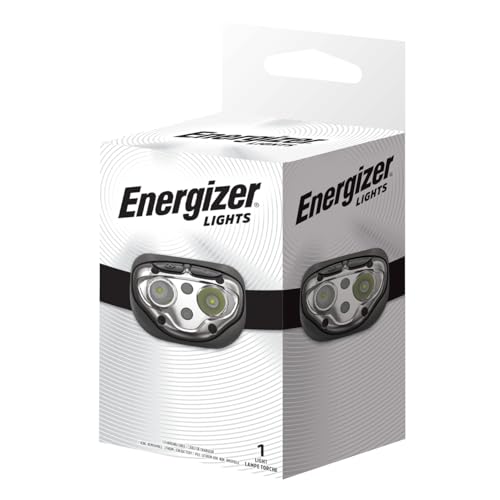
A head torch solves the same problem far more safely and usefully. Strapped to your forehead, it points a bright, steady LED beam exactly where you are looking and leaves both hands free — to carry a child, find the fuse box, cook, or read a meter. Modern head torches are inexpensive, run for many hours on a charge or a set of batteries, and some offer a low red mode that preserves night vision. The one thing a candle offers that a torch does not is zero dependence on power at all, which is why the sensible answer is usually a head torch as the main light and a couple of candles kept purely as a last-resort backup.