A water filter is the treatment: a hollow-fibre or activated-carbon device — a squeeze filter, a straw, a bottle with a built-in cartridge or a gravity bag — that physically strains bacteria, protozoa and grit out of questionable water so it is safe to drink. In a UK boil-water notice, a flooded home or a hike where the taps have failed, it is what turns a stream, a butt or a doubtful tap into water you can actually drink. What a filter does not do is carry or store water — it is the purifier, not the container, and most need something to draw from and something to fill.
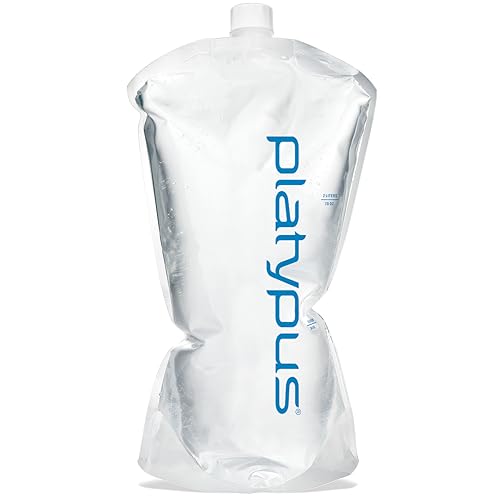
A collapsible water bottle is the container: a soft, packable pouch or bottle that folds down to nothing when empty and holds your water when full. It is the piece that lets you carry a litre in a grab bag that weighs almost nothing until you need it, fill up at a working tap or refill point, and stash spare capacity for a car or a day out. On its own it treats nothing — fill it from a dubious source and you are drinking whatever is in there. The two solve different halves of the same problem: the filter makes water safe, the collapsible bottle carries it, and a lightweight water plan usually wants both.