When the lights go out, plenty of UK households still reach for candles first — they're cheap, they need no batteries and they'll sit in a drawer for years. But as the main way to get through a modern power cut, a candle is one of the least safe and least practical choices you can make. It throws only a small, flickering pool of light, can't be carried safely while you move, and is an open flame in a dark house where people are tired and half-asleep. House fires caused by candles rise every time the power goes out, which is exactly the wrong outcome from a piece of emergency kit.
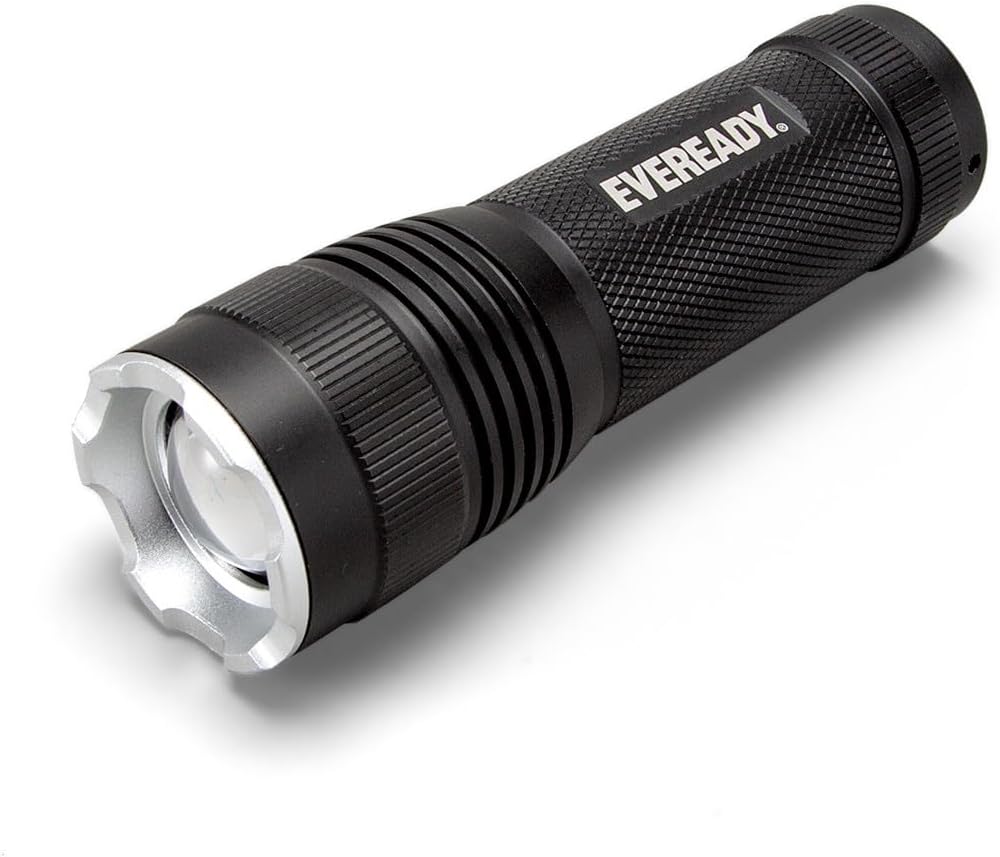
A torch does the same job far better and far more safely. A modern LED torch is inexpensive, runs for many hours on a charge or a set of batteries, and gives a bright, steady beam you can point wherever you need it and carry safely from room to room. There's no flame, no heat and nothing to leave smouldering when you drop off to sleep. The one genuine thing a candle offers that a torch does not is total independence from power — it needs no batteries at all — which is why the sensible answer is a torch (or a head torch) as your primary light, with a few candles and matches kept purely as a last-resort backup.