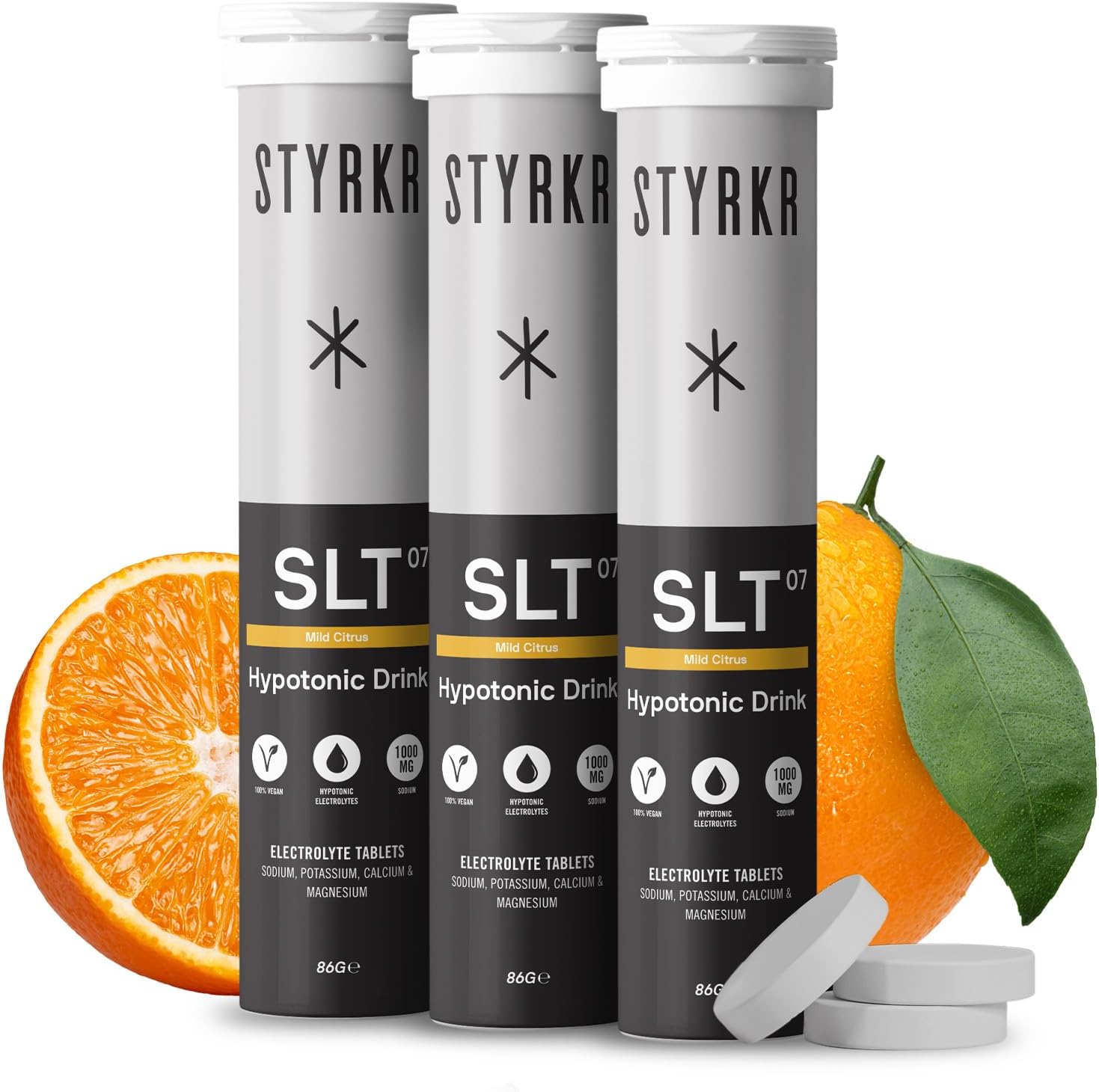
They both arrive as small sachets or tablets you drop into water, which is why people muddle them — but they do opposite jobs, and using one when you needed the other can leave you worse off. Rehydration salts (oral rehydration salts, or ORS) are a measured blend of glucose and electrolytes — sodium, potassium and others — that you dissolve in clean water to help the body absorb fluid and replace what illness or heat has stripped out. They are what you reach for during a bout of sickness and diarrhoea, after heavy sweating in a heatwave, or when someone is dehydrated, and they matter most for the very young, the elderly and anyone unwell.
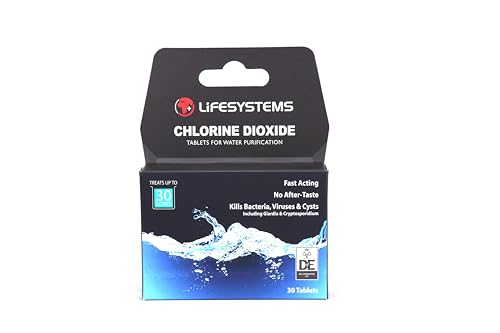
Water purification tablets do nothing for your body's salt balance; they make questionable water safe to drink. Chlorine dioxide or chlorine-based tablets kill the bacteria, viruses and many of the parasites that make untreated water dangerous, so you can use rain, stream or stored water of doubtful quality after a supply failure, a flood or a boil-water notice. The catch is that purification tablets assume the water is already reasonably clear — they disinfect, they do not filter out silt or chemicals — and they do nothing to rehydrate a sick person. In short: one treats the water, the other treats the person, and in a real emergency you may well need both in sequence.