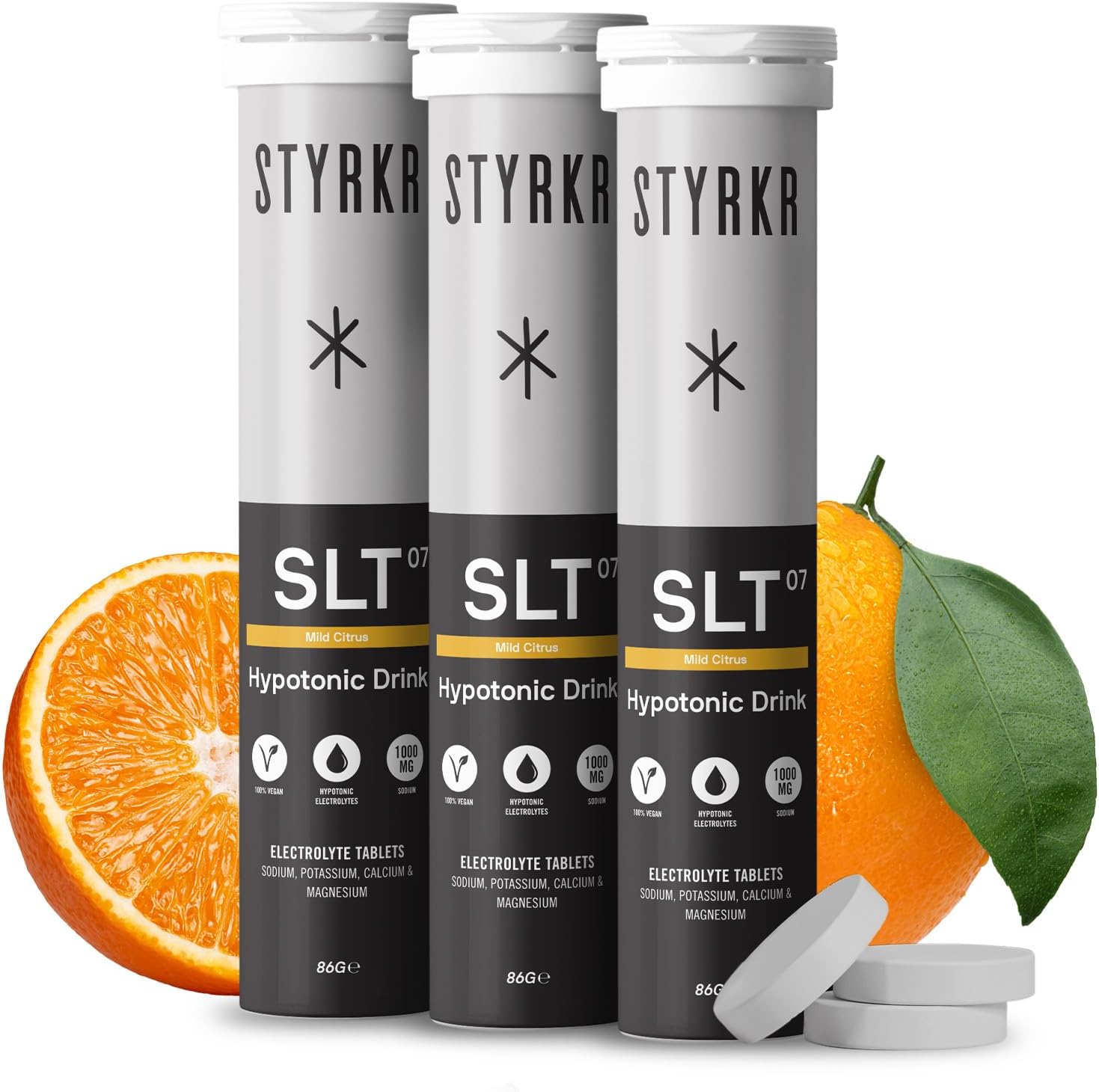
| Primary job | Replaces fluid, salts and glucose lost to sickness, heavy sweating, heat or a boil-water disruption to normal drinking habits. | Replaces calories and carbohydrate when a proper meal isn't available or cooking isn't possible. |
| When you'd reach for it | Illness with vomiting or diarrhoea, a heatwave, or after heavy exertion — anywhere dehydration and salt loss are the risk. | A power cut with no hot food, a stranded car, a long walk, or any situation needing quick calories with no prep. |
| Preparation needed | Needs clean water to dissolve in — of limited use if water itself is the problem, unless paired with stored or purified water. | None — eat straight from the wrapper, no water or heat required. |
| Shelf life | Typically 2–3 years in original packaging, stored cool and dry. | Typically 6–12 months for standard bars; longer for specialist survival ration bars. |
| Who especially needs it | Children, older people and anyone on certain medications, where dehydration from illness becomes serious faster. | Anyone needing sustained energy without cooking — useful for the whole household in a prolonged outage. |
| Best paired with | Stored or purified drinking water, and a basic first aid kit for illness at home. | A power cut food box, car kit or grab bag alongside longer-life emergency rations. |
| Price band | Roughly £4 to £12 for a pack of several sachets. | Roughly £8 to £20 for a multipack. |