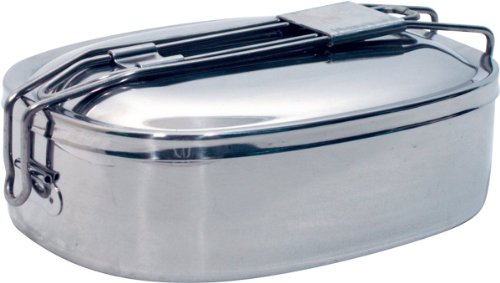
| Primary job | Heating, boiling, eating and basic outdoor cooking with a stove or fire-safe heat source. | Keeping hot water or drinks hot for hours after they have already been boiled. |
| Best UK use case | Camping, off-grid cooking practice, outdoor boiling during a power cut and simple hot meals from tins or packets. | Storm warnings, school runs, caring for relatives, work-from-home outages and keeping hot drinks ready safely indoors. |
| Needs fuel? | Yes. It only helps with hot food if you also have a stove, safe outdoor cooking space and fuel. | No extra fuel once filled, but it depends on having boiled water before or during the disruption. |
| Indoor safety | Do not use camping stoves indoors; cooking must happen outdoors because of fire and carbon-monoxide risk. | Safe indoors, quiet and low-risk, making it better for flats, rented homes and overnight outages. |
| Cleaning | Needs washing after food; greasy meals are awkward if water is short. | Easy if used for hot water or drinks, but soup and milk need proper cleaning. |
| Storage value | Light, stackable and useful with camping kit, but not much help by itself. | Useful all winter even without an emergency, and easy to keep in a kitchen cupboard. |