Home / Comparison
Side-by-side comparison

Hot Water Bottle vs Wool Blanket

Hot Water Bottle vs Wool Blanket

A hot water bottle is one of the cheapest ways to put real heat into a cold bed or chair. You fill it from a kettle or pan of hot water, seal the stopper and tuck it against your body or between the sheets, where it radiates warmth for a few hours before slowly cooling. Most UK versions hold one to two litres, cost around five to fifteen pounds, and last for years if you replace them before the rubber perishes. In a winter power cut it comes into its own, because you can heat water on a gas hob or camping stove and warm a bed without any electricity at all.

A wool blanket takes the opposite approach. Rather than adding heat, it insulates, trapping the warmth your body already produces in a thick layer of wool or wool-blend fibres. A decent one weighs one and a half to two and a half kilograms, costs roughly fifteen to fifty pounds, and keeps working reasonably well even when slightly damp, which suits Britain's wet cold. The two are not really rivals: one is an active heat source that fades over a few hours, the other a passive insulator that keeps you warm for as long as you stay wrapped in it. In practice the strongest cold-weather setup usually uses both together.

Feature comparison

FeatureHot Water BottleWool Blanket
How it keeps you warmAdds heat directly from hot water, warming a bed or your core from cold in minutes.Adds no heat of its own; insulates by trapping the warmth your body is already producing.
How long the warmth lastsRoughly two to six hours from a full fill before it cools and needs topping up.Indefinite while you stay wrapped in it, as long as your body keeps generating heat.
Power cut suitabilityExcellent if you can heat water on a gas hob or camping stove; needs no mains power at all.Excellent and needs nothing at all; works the moment you wrap up in it.
Warming a cold bedIdeal — slip it under the covers 20 minutes before bed to take the chill off the sheets.Adds a warm layer but will not remove the initial deep chill from cold bedding on its own.
SafetyUse hot, not boiling, water, check the rubber for cracks, and replace every couple of years to avoid scalds.Very safe with no burn risk; just avoid draping it near open flames or portable heaters.
Weight & storageLight and compact when empty; lives easily in a drawer or the bottom of a kit bag.Bulky and heavy, folding into a bundle about the size of a rolled sleeping bag.
Price bandRoughly 5 to 15 pounds, with fleece-covered versions at the upper end.Roughly 15 to 50 pounds depending on size, wool content and quality.

When to choose Hot Water Bottle

Choose a hot water bottle when you want to actively warm something cold — a bed, a chair, or your own hands and feet — rather than just insulate. It is the better answer for taking the chill off a freezing bed on a winter night, for a child or older relative who feels the cold quickly, and for a power cut where you can still boil water on a gas hob or camping stove. It is cheap enough to keep one per person, warms you from cold in minutes, and packs away to nothing when the weather turns. Just fill it with hot rather than boiling water and check the rubber for perishing each autumn.

When to choose Wool Blanket

Choose a wool blanket when you want warmth that lasts as long as you need it without topping up, and that works the instant you wrap up — no kettle, no stove, no waiting. For a long winter power cut, a night stuck in the car, camping, or simply keeping something warm and washable by the door, wool insulates for hours on end and copes with damp far better than cotton. It has no burn risk, lasts for years, and needs no maintenance beyond an occasional wash. If you want reliable, hands-off warmth over a long stretch, the blanket is the stronger backbone of a cold-weather kit.

Our verdict

These two are complementary, not competing. A hot water bottle actively adds heat and is unbeatable for warming a cold bed or a cold person quickly, but the warmth fades after a few hours and needs a hot-water source to renew. A wool blanket adds no heat but holds onto yours indefinitely, needing nothing to work. For a UK winter the sensible setup is both: use the hot water bottle to knock the chill out of a bed or chair fast, then rely on the wool blanket to keep that warmth in through the night. If you can only buy one and you want dependable, maintenance-free warmth through a long power cut, start with the blanket; if you mainly want cosy beds on cold nights, start with the bottle.

Top picks · Trusted suppliers

Recommended products

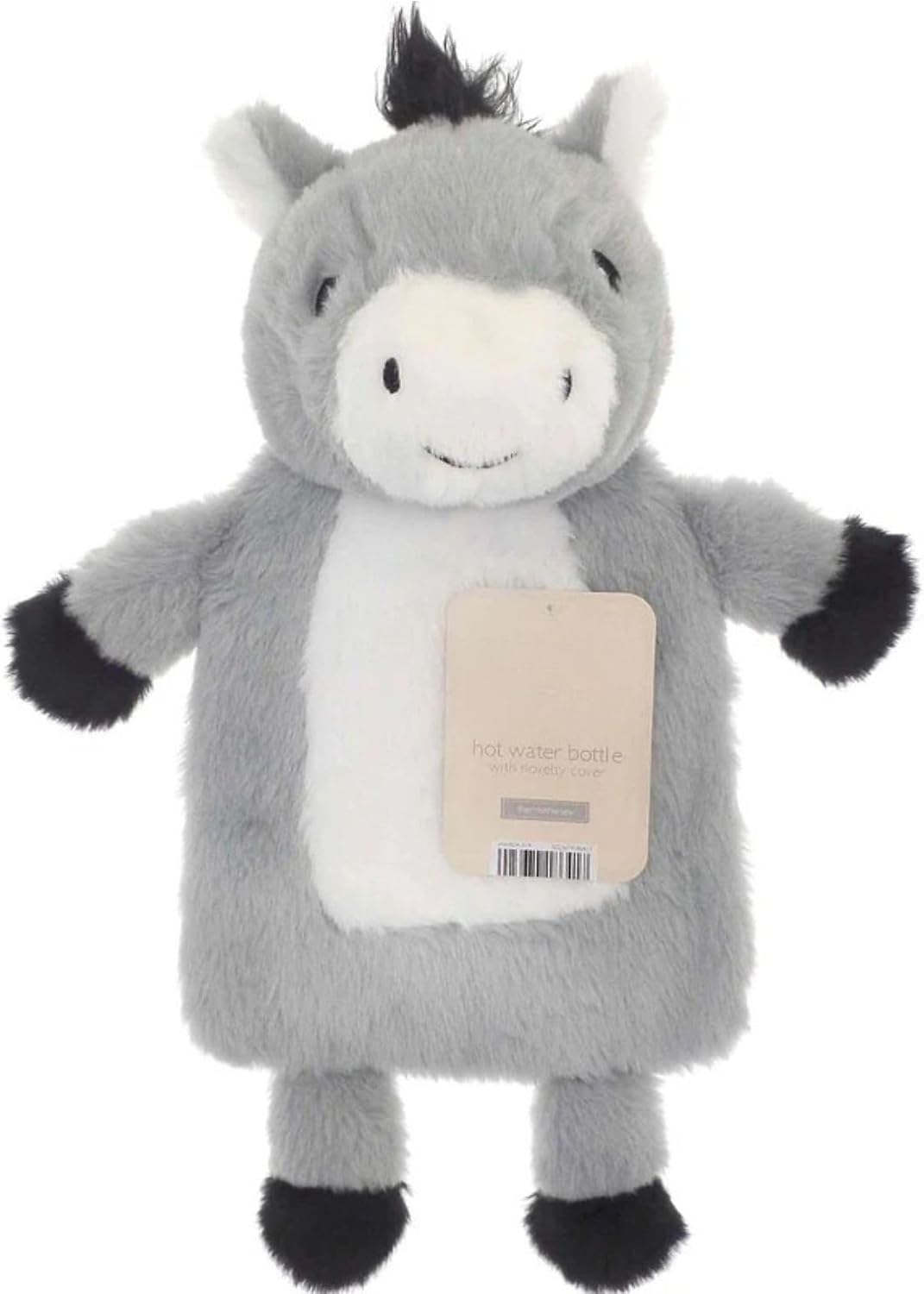
1-Litre Natural Rubber Hot Water Bottle with Fleece Cover

1-Litre Natural Rubber Hot Water Bottle with Fleece Cover

A standard 1-litre natural rubber hot water bottle with a soft fleece cover, and one of the cheapest ways to stay warm through a winter power cut. Boil a kettle on a camping stove, fill it, and it holds heat for hours in a bed or on your lap without drawing a single watt. Simple, reliable warmth that belongs in every cold-weather kit.

  • Hours of radiant warmth with no power needed once filled
  • Natural rubber body with a soft, removable fleece cover
  • Cheap, familiar and genuinely useful during a heating outage
Check price on Amazon →
Hot Water Bottle (2L, with Cover)

Hot Water Bottle (2L, with Cover)

A simple, effective 2-litre hot water bottle with a soft removable cover. When the heating is off, a hot water bottle warms a bed or a chair using nothing but boiled water — the cheapest, safest way to stay warm through a cold night without power.

  • Warms a bed or chair with just boiled water
  • No electricity — works in any power cut
  • Soft cover is comfortable and washable
Check price on Amazon →
WoolStudio Lambswool Blanket

WoolStudio Lambswool Blanket

A large, durable lambswool blanket that insulates even when damp and resists flame — dependable, reusable warmth for cold homes, winter car kits and nights outdoors.

  • Insulates even when damp
  • Naturally flame-resistant wool
  • Large enough to wrap an adult
Check price on Amazon →