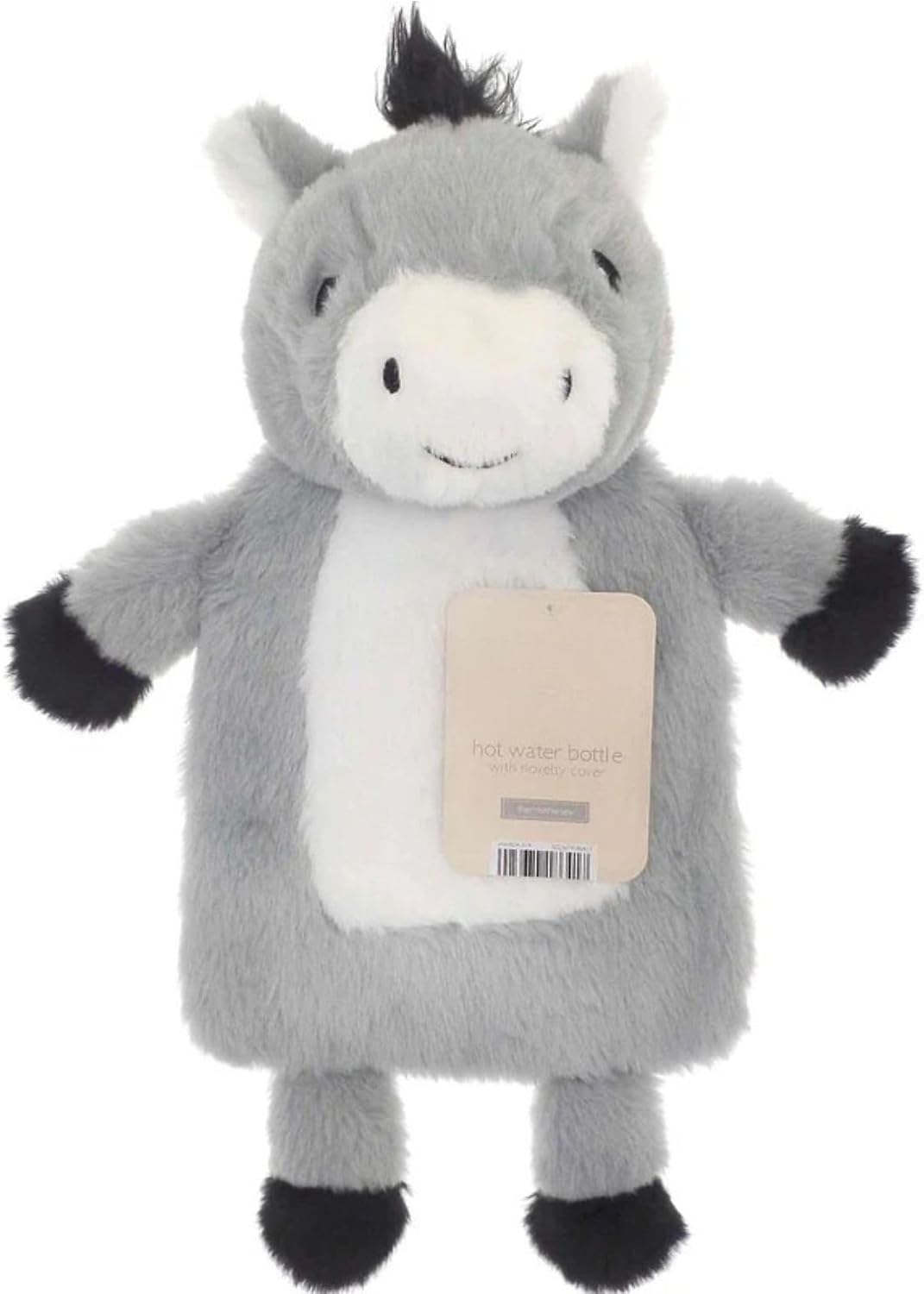
| Primary job | Radiates hours of warmth to the core, bed or lap from a single fill of hot water. | Adds local heat to hands, pockets or boots for a limited time. |
| Best UK use case | Cold bedrooms, power cuts, heating breakdowns and keeping older relatives or children warm overnight. | Cold commutes, winter walks, outdoor events and glovebox kits for painfully cold hands. |
| What it needs | A way to heat water — a kettle, or a camping stove or pan if the power is off. | Nothing for disposable packs; rechargeable warmers need a charge beforehand. |
| Runtime | Several hours of useful warmth per fill, longer inside an insulating cover. | Disposable packs last a few hours; rechargeable models depend on charge and heat setting. |
| Coverage | Warms a large area — the torso, back, feet or bed. | Targets a small area, usually the hands. |
| Storage | Compact and reusable for years, but the rubber perishes and needs checking each season. | Very small and packable; disposables need expiry checks and rechargeables need charging. |
| Limitations | Needs hot water and a cover; can cause low-temperature burns if placed bare against skin. | Will not warm a cold core or protect against wind and wet; only heats a small spot. |