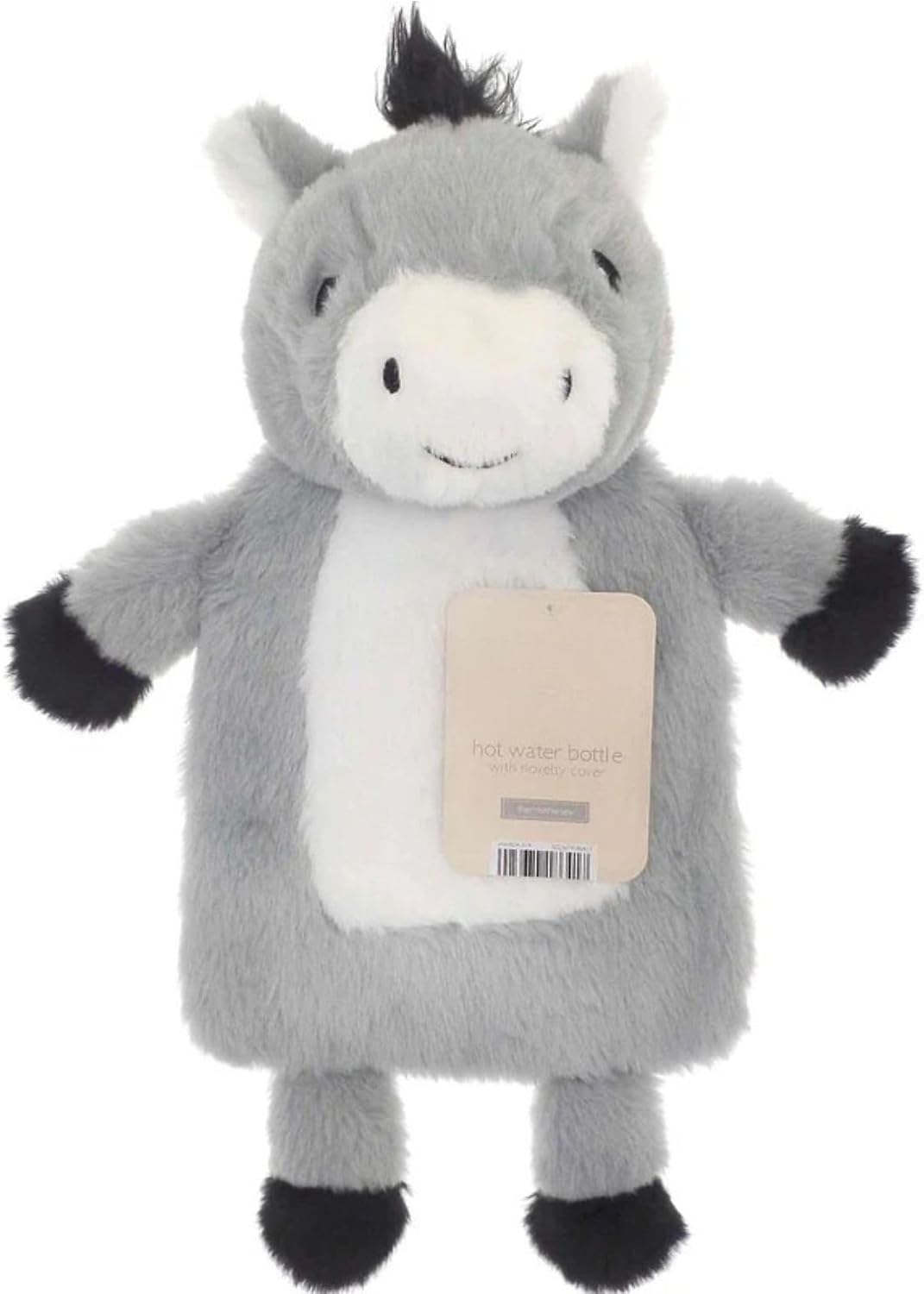
A hot water bottle is one of the cheapest ways to add real, active warmth on a cold night. You fill it from a kettle or a pan heated on a stove, tuck it into a bed or against your core, and it slowly gives back that heat for a couple of hours. During a winter power cut it earns its place: it warms a bed before you get in, keeps an older relative comfortable in a chair, and needs nothing more than hot water, which you can produce on a gas stove even when the electricity is off. The trade-off is that it depends on being able to heat water, it cools over a few hours and needs refilling, and a perished or overfilled bottle can scald, so age and condition matter.
An emergency (foil) blanket does the opposite job. It generates no heat of its own; instead it is a thin metallised sheet that reflects a large share of your body's radiated warmth back at you and blocks wind, packing down to the size of a phone and weighing almost nothing. That makes it a superb grab-bag and car-boot item — a few pounds for something that can help stop heat loss for a stranded motorist, a walker caught out after dark, or a casualty at an accident scene. Its limits are just as clear: it is noisy, tears easily, does nothing to warm someone who is already deeply cold on its own, and works far better over insulating layers than against bare skin.