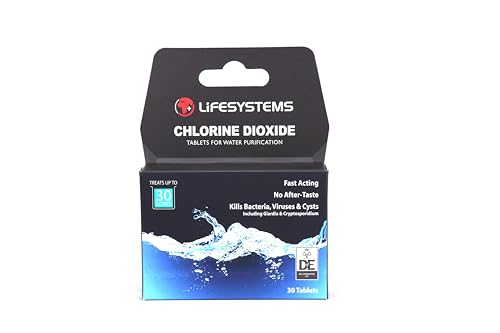
| Primary job | Physically filters water to reduce particles, sediment and many bacteria or protozoa, depending on the cartridge. | Chemically disinfects water after the correct dose and waiting time. |
| Best UK use | Outdoor trips, flood disruption, rainwater collection and situations where water is available but visibly questionable. | Small backup kits, travel, stored emergency supplies and treating clear water when boiling is not practical. |
| Speed | Usually drinkable as you filter, although flow rate varies and clogged filters slow down. | Requires a contact time, commonly 30 minutes or longer depending on product instructions and water temperature. |
| What it handles poorly | Most portable filters do not remove viruses, salt water, fuel, pesticides or dissolved chemicals. | Tablets do not remove sediment, bad taste, chemicals, fuel or salt, and dirty water may need pre-filtering. |
| Packability | Bulkier and heavier, but reusable over many litres if maintained correctly. | Tiny and light, with long shelf life, ideal as a backup in several kits. |
| Maintenance | Needs cleaning, backflushing or cartridge replacement, and must be protected from freezing once used. | Needs dry storage, expiry-date checks and careful adherence to the dosing instructions. |
| Boil-water notices | Can pre-filter cloudy water, but does not override official advice to boil. | Can help when boiling is impossible, but official UK boil-water advice should still be followed whenever you can boil. |